
Updated October 2026 · 10 min read
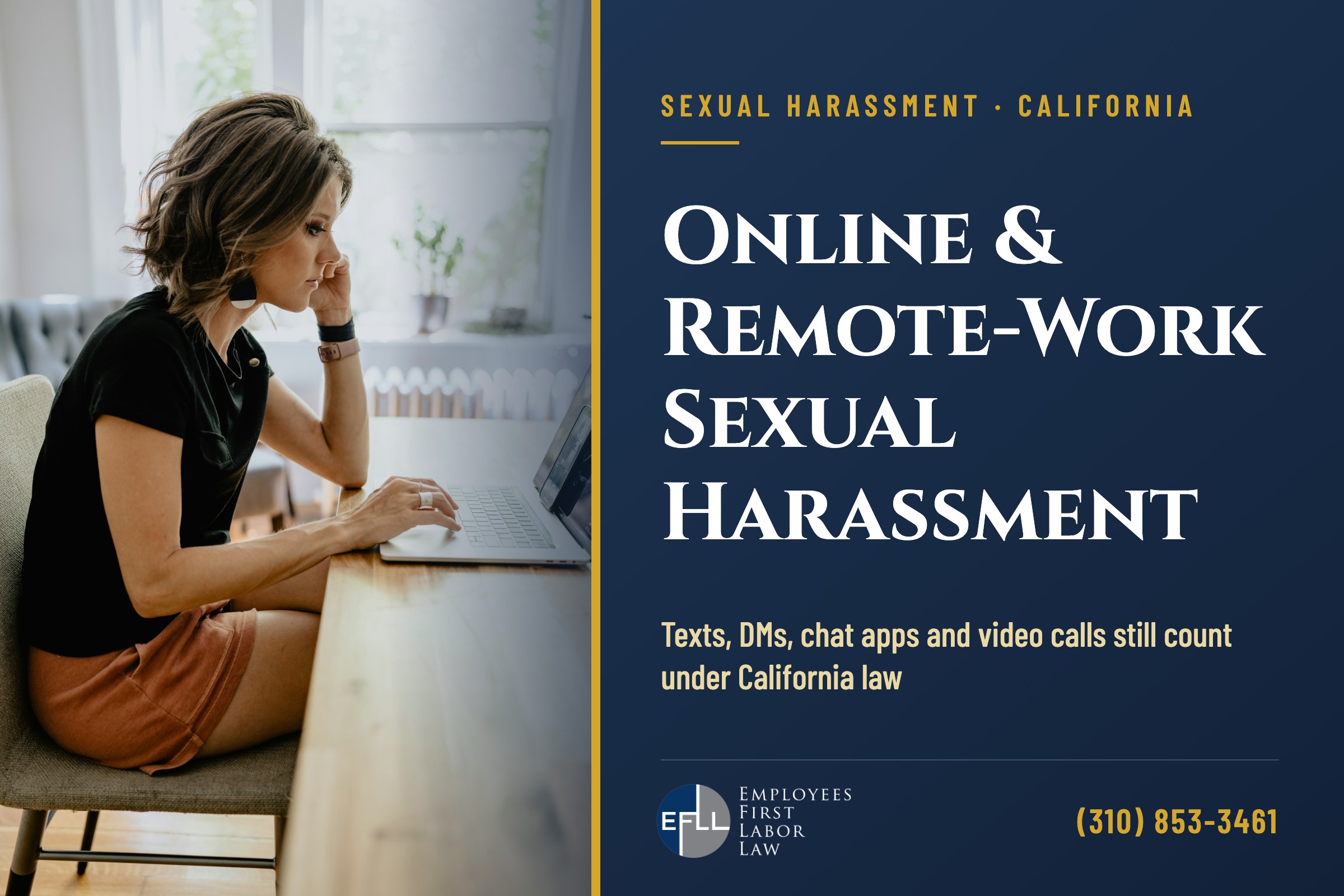
Yes. Online sexual harassment at work is still sexual harassment in California: a sexual text from your manager, an explicit image dropped in a Slack or Teams channel, or comments about your body on a video call can violate the Fair Employment and Housing Act (FEHA) the same way an in-person comment can. For many Californians, the workplace now includes a phone, a laptop and a chat app.
Digital harassment has one feature that in-person harassment usually lacks: it leaves a record, with names, dates and timestamps. That record can make a claim much stronger, but only if you keep it. Deleted chats and expiring messages can weaken a strong case.
This guide covers when online conduct is illegal, who is responsible, how to preserve digital evidence without creating new problems for yourself, and the deadlines that apply.
- Harassment by text, DM, email, Slack, Teams or video call is covered by FEHA the same way in-person harassment is (Gov. Code § 12940(j)).
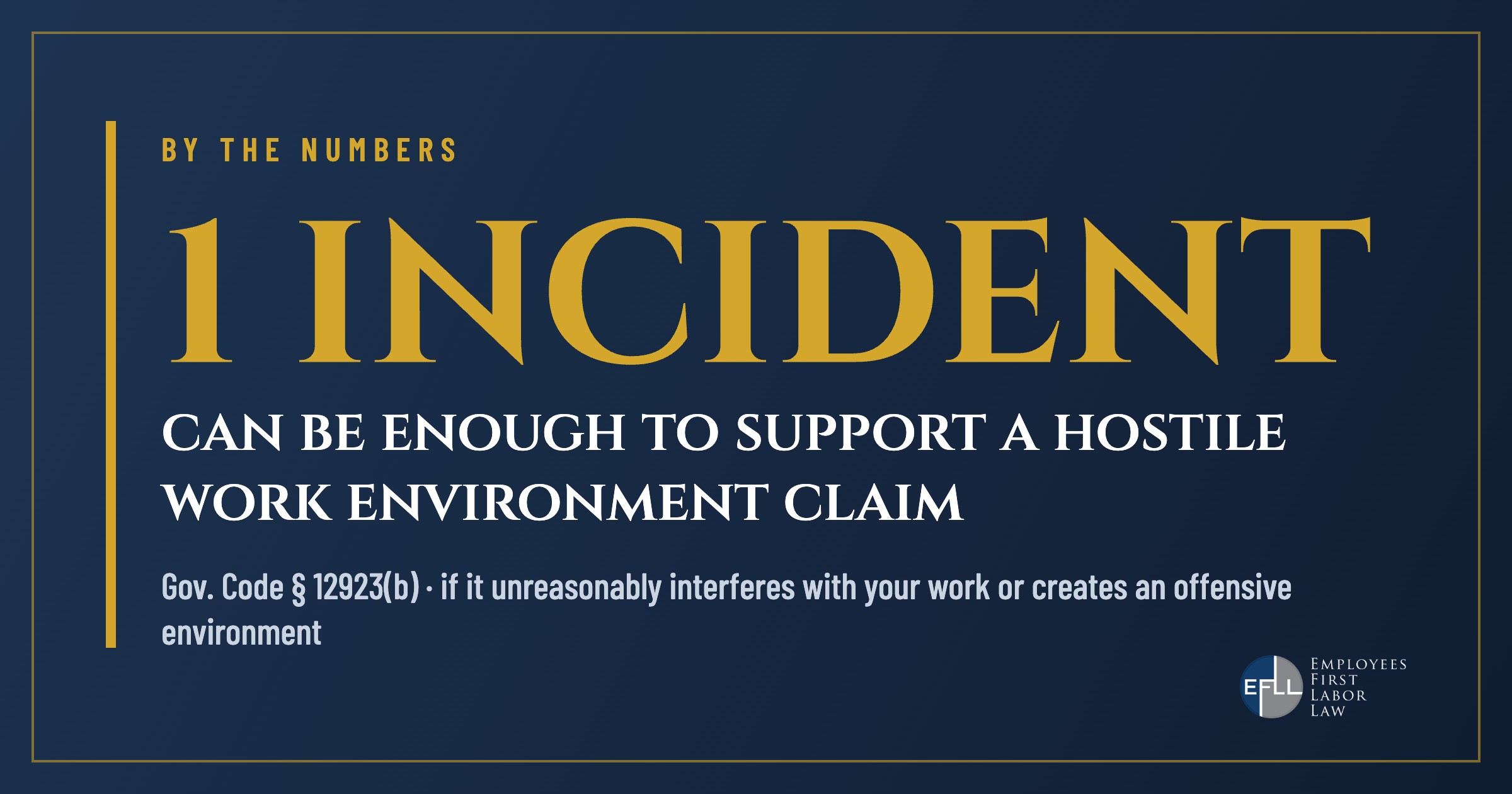
- A single incident can be enough if it interferes with your work or creates an offensive environment (Gov. Code § 12923(b)).
- Employers are liable for supervisors’ harassment, and for coworkers and clients when they knew or should have known and failed to act; the harasser can be personally liable too.
- Screenshot and save messages with names and dates, and don’t secretly record calls: California generally requires all-party consent (Penal Code § 632).
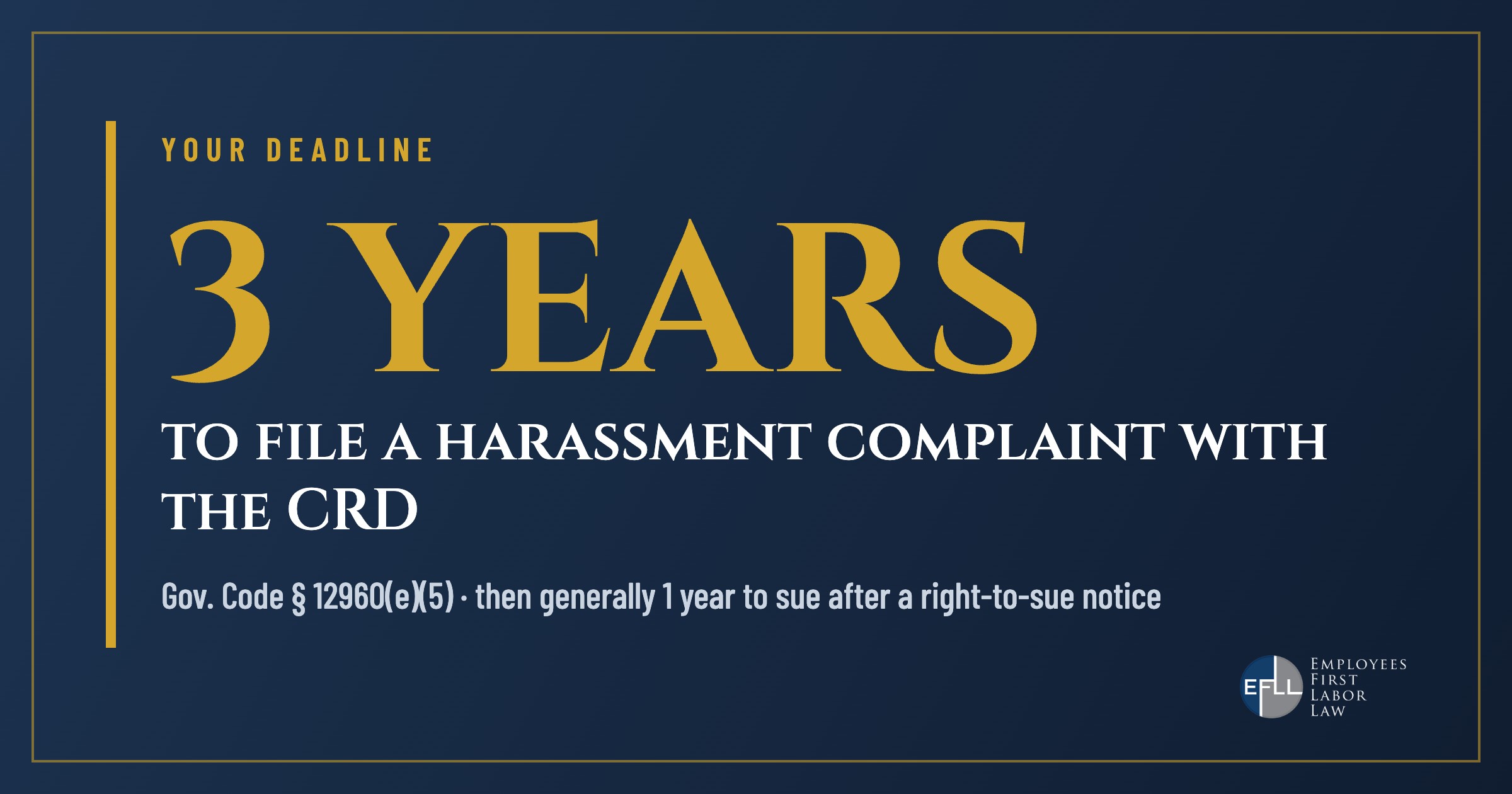
- You generally have 3 years to file with the CRD, then 1 year to sue after a right-to-sue notice.
Does online sexual harassment at work count under California law?
Yes. Government Code section 12940(j)(1) makes it unlawful for an employer “or any other person” to harass an employee because of sex, gender, gender identity, gender expression or sexual orientation, among other protected traits. Nothing in the statute limits harassment to conduct that happens face to face. What matters is the conduct and its effect on your work environment, not the device it was sent from.
A few rules make FEHA’s harassment protections broad:
- Almost every employer is covered. For harassment claims, “employer” includes anyone regularly employing one or more people (Gov. Code § 12940(j)(4)(A)). The five-employee threshold that applies to many other FEHA claims does not apply here.
- More than employees are protected. The harassment ban covers employees, job applicants, unpaid interns, volunteers and certain people providing services under a contract (Gov. Code § 12940(j)(1)).
- Desire is not required. Harassment because of sex includes sexual harassment and gender harassment, and “sexually harassing conduct need not be motivated by sexual desire” (Gov. Code § 12940(j)(4)(C)). Mocking messages aimed at your gender can qualify even if nothing sexual is said.
- You do not have to lose pay or a promotion. Loss of tangible job benefits is not necessary to establish harassment (Gov. Code § 12940(j)(1)).
For a broader overview of what counts, see our guide to hostile work environments in California.
What online and remote-work sexual harassment looks like
The California Civil Rights Department (CRD) lists behaviors that may be sexual harassment, including unwanted sexual advances, displaying sexually suggestive pictures, derogatory jokes, and “suggestive or obscene messages or invitations.” Each of these translates directly to digital channels. Common examples include:
- Sexual or romantic texts or direct messages from a supervisor or coworker, especially after you have said no or stopped responding
- Explicit images, memes or “jokes” posted in Slack, Microsoft Teams, group texts or email threads
- Comments about your body, clothing or appearance during video meetings, or pressure to turn your camera on for no business reason
- Repeated late-night messages that turn personal or sexual
- Comments, tags or private messages on social media from people you work with
- Sharing or threatening to share intimate images
The CRD also notes that you may experience sexual harassment even if the offensive conduct was not aimed directly at you. A team chat where coworkers routinely post sexual content can create a hostile environment for everyone in the channel.
When online harassment is “severe or pervasive” enough to be illegal
A hostile work environment claim requires harassment that is severe or pervasive. Government Code section 12923, in effect since January 1, 2019, tells courts how to apply that standard, and several of its rules matter for digital harassment:
- A single incident can be enough. One incident of harassing conduct is sufficient to create a triable issue if it unreasonably interfered with your work performance or created an intimidating, hostile or offensive working environment (§ 12923(b)).
- You don’t have to prove your work suffered. It is enough that a reasonable person subjected to the conduct would find that it made the job more difficult to do (§ 12923(a)).
- Context counts. Whether a hostile environment existed depends on the totality of the circumstances (§ 12923(c)).
- No “industry culture” excuse. The standard does not vary by type of workplace, so “that’s just how tech (or sales, or the kitchen) talks” is not a defense (§ 12923(d)).
| Online situation | How California law looks at it | Source |
|---|---|---|
| One explicit photo sent by a manager | A single incident can be enough if it interferes with work or creates an offensive environment | Gov. Code § 12923(b) |
| Ongoing sexual “jokes” in a team chat | Judged on the totality of the circumstances; conduct need not be aimed at you | Gov. Code § 12923(c); CRD fact sheet |
| Gender-based insults with nothing sexual in them | Can still be harassment because of sex; sexual desire is not required | Gov. Code § 12940(j)(4)(C) |
| Coworker sends unwanted DMs | Employer is liable if it knew or should have known and failed to take immediate and appropriate corrective action | Gov. Code § 12940(j)(1) |
| You are punished after reporting the messages | Retaliation is a separate violation | Gov. Code § 12940(h) |
Save them before they disappear, then talk to us. We offer a free, confidential consultation and can help you report safely and protect your claim.
After-hours messages and personal accounts
Harassers often move to channels they think are “off the record”: personal phone numbers, Instagram or WhatsApp, messages sent at midnight or on weekends. Employers sometimes argue that conduct outside work hours, on personal accounts, is none of their business.
That argument is weaker than it sounds. FEHA focuses on whether harassment because of sex alters your working conditions, and section 12923(a) describes harassment that disrupts your emotional tranquility in the workplace or affects your ability to do your job as usual. A supervisor who sends sexual messages to your personal phone at night is still your supervisor the next morning. Messages like that can be part of a harassment claim even when they arrive after hours on a personal app, but how a court weighs purely off-duty conduct depends on the facts, which is one reason to get advice early.
One related protection: under Labor Code section 980, your employer generally cannot require your personal social media login or make you open your personal accounts in front of them. It may ask you to share personal social media content reasonably believed relevant to a misconduct investigation, for use only in that investigation or a related proceeding.
Who is responsible: supervisors, coworkers and outsiders
Liability depends on who sent the messages:
- Supervisors and agents. The CRD states that employers are liable for harassment by their supervisors or agents.
- Coworkers. When the harasser is a coworker who is not a supervisor, the employer is liable if it, or its agents or supervisors, knew or should have known of the conduct and failed to take immediate and appropriate corrective action (Gov. Code § 12940(j)(1)). This is why reporting in writing matters.
- Clients, customers and vendors. An employer may also be responsible for harassment by nonemployees, such as a client who messages you on LinkedIn or a vendor who texts you, under the same knew-or-should-have-known standard, taking into account the employer’s control over those people (§ 12940(j)(1)).
- The harasser personally. An employee who harasses a coworker is personally liable, whether or not the employer knew (§ 12940(j)(3)).
Employers also have an independent duty to take all reasonable steps necessary to prevent harassment from occurring (Gov. Code § 12940(k)). Learn more about how our sexual harassment attorneys evaluate employer responsibility.
How to preserve digital evidence the right way
Messages can be edited, unsent, set to disappear, or wiped when an employer deactivates your work account. Take these steps as soon as you can:
- Screenshot everything, with context. Capture the sender’s name or handle, the date and time, and enough of the conversation to show what came before and after. A single screenshot of one line is easier to dispute.
- Don’t delete anything, including your own replies. Deleting part of a conversation can make the rest look incomplete.
- Save copies outside the company’s systems, since you may lose access to work chat or email if you are fired or quit. Save the messages that were sent to you and your own complaints; don’t download unrelated confidential company files, which can create a separate dispute.
- Turn off auto-delete on personal apps where the harassment happened, and avoid replying on disappearing-message threads.
- Keep a simple log listing the date, the platform, who sent it, what it said, and who else saw it. Note how it affected your work.
- Write down video-call incidents right away, including the meeting name, time and attendees, because spoken comments leave no automatic record.
Be careful with recordings. California generally requires the consent of all parties to record a confidential conversation. Under Penal Code section 632, secretly recording a confidential communication, including a phone call, can be a crime punishable by a fine of up to $2,500 per violation, jail or prison time, or both, and evidence obtained in violation of the section is generally not admissible in court or administrative proceedings (§ 632(d)). Before recording any call or video meeting, read our guide to recording your boss under California’s consent law or talk to a lawyer.
💡 Example: Dana, a hypothetical employee, works from home for a California company. Her regional manager starts sending her direct messages on Teams late at night, commenting on how she looks on camera and asking her to “turn the camera on just for me.” She declines. The next week, her best accounts are reassigned. Dana screenshots every message with timestamps, saves copies to her personal device, keeps a log, and emails HR a written complaint describing the messages and the reassignment. If her employer fails to stop the harassment or punishes her for reporting, she may have claims for both sexual harassment under § 12940(j) and retaliation under § 12940(h).
How to report online harassment at work
Reporting creates a record that your employer knew, which can be decisive in coworker and outsider cases. A few practical points:
- Use the company’s policy. According to the CRD, employers must have a written harassment prevention policy with a complaint process that does not require you to complain directly to your immediate supervisor. If your manager is the harasser, go to HR or another designated person.
- Put it in writing. An email to HR describing what happened, on which platforms and when, is better than a hallway conversation. Attach or offer to provide your screenshots, and keep a copy.
- Stick to facts. Describe what was sent and how it affected you. You don’t need to use legal terms.
- Watch for retaliation. It is illegal for an employer to discharge or otherwise discriminate against you because you opposed harassment or filed a complaint (Gov. Code § 12940(h)). Write down any changes in schedules, assignments, reviews or tone after you report, and read about retaliation claims in California.
Our step-by-step guide to reporting sexual harassment walks through an internal complaint in more detail.
Deadlines to file a harassment claim
Before you can sue under FEHA, you generally must file a complaint with the Civil Rights Department. The deadline is three years from the date of the unlawful practice (Gov. Code § 12960(e)(5)); the CRD describes this as three years from the last act of harassment or retaliation. After the CRD issues a right-to-sue notice, you generally have one year from the date of that notice to file a lawsuit (Gov. Code § 12965(c)(1)(D)). You don’t have to go through a CRD investigation: according to the CRD, in employment cases you can request an immediate right-to-sue notice and then file your own lawsuit.
Online harassment often unfolds over months, so don’t wait for the “last” message before getting advice. Evidence is easiest to collect while accounts are still active. In a successful FEHA lawsuit, a court may award reasonable attorney’s fees and costs to the prevailing party; an employer that wins can recover fees only if the court finds the case was frivolous, unreasonable or groundless (Gov. Code § 12965(c)(6)). See our full guide to the sexual harassment statute of limitations in California.
Frequently asked questions
Is one inappropriate text from my boss enough for a claim?
It can be. Under Government Code section 12923(b), a single incident can be enough to create a triable issue of a hostile work environment if it unreasonably interfered with your work or created an intimidating, hostile or offensive environment. How serious the message was, who sent it and what followed all matter.
Does online sexual harassment at work count if it happened on my personal phone?
Often, yes. FEHA looks at whether harassment because of sex affected your working conditions, not which device received it. Messages from a supervisor or coworker to your personal phone or social media account can be part of a harassment claim, especially when they are connected to your job.
Can I secretly record a video call where my manager harasses me?
Be very cautious. Penal Code section 632 generally prohibits recording a confidential conversation without the consent of all parties, and illegally obtained recordings are generally inadmissible. Save written messages and write detailed notes instead, and talk to a lawyer before recording anything.
My company deleted my work chat account after I quit. Is my evidence gone?
Not necessarily. Your employer may still have copies of chat and email data, and once a claim is pending, that data can be requested in the case. Any screenshots, notes or personal-device copies you kept also count. Tell a lawyer quickly so the employer can be put on notice to preserve its records.
What if the harasser is a client who messages me on social media?
Your employer may be responsible for harassment by clients, customers and other nonemployees if it knew or should have known and failed to take immediate and appropriate corrective action (Gov. Code § 12940(j)(1)). Report the messages to your employer in writing so it has the chance, and the obligation, to act.
Related guides
 Workers only. Never employers.
At Employees First Labor Law, we represent California workers only, never employers. Our team has recovered more than $200 million for our clients, and we prepare every case as if it is going to trial. We have offices in Pasadena, Irvine, Long Beach, Pomona, Riverside, Bakersfield and Fresno, and we serve workers throughout California. Meet our team.







If a manager, coworker or client is harassing you by text, chat, email or video call, our attorneys can help you preserve the evidence, report it, and pursue damages for harassment and retaliation under California law.
- ✅ Free, confidential consultation
- ✅ We represent workers only, never employers
- ✅ Se habla español: Empleados Primero
This article provides general information about California law and is not legal advice for any specific situation. Reading it does not create an attorney-client relationship. Past results do not guarantee a similar outcome.