

In this guide10 sections
- Key takeaways
- How crush injuries happen at work
- Machine safety rules your employer must follow
- Workers’ comp benefits for a crush injury
- A hypothetical example
- When you can sue outside workers’ comp
- Common insurer tactics and how to respond
- Steps to protect your claim
- Frequently asked questions
- Talk to a California workers’ comp lawyer
If a machine, forklift, falling load or collapsing structure crushed part of your body at work in California, workers’ compensation generally covers you no matter who was at fault. That means medical care, temporary disability pay while you can’t work, and permanent disability benefits if you don’t fully recover. Severe crush injuries, especially amputations, can also qualify for longer temporary disability, a life pension, or a separate lawsuit against a party other than your employer.
Key takeaways
- Workers’ comp is no-fault: you are generally covered even if you made a mistake, unless an exception such as intoxication applies (Labor Code §3600).
- As of 2026, temporary disability pays two-thirds of your average weekly wage, between $264.61 and $1,764.11 a week; amputations and severe burns can extend it beyond the usual 104 weeks.
- If your employer’s serious and willful misconduct, such as ignoring lockout/tagout rules, caused the injury, your compensation can be increased by one-half (Labor Code §4553).
- A defective machine or a negligent outside company can support a separate lawsuit for damages workers’ comp doesn’t pay.
How crush injuries happen at work
Crush injuries happen when part of the body is compressed between two objects or under heavy weight. Common causes include:
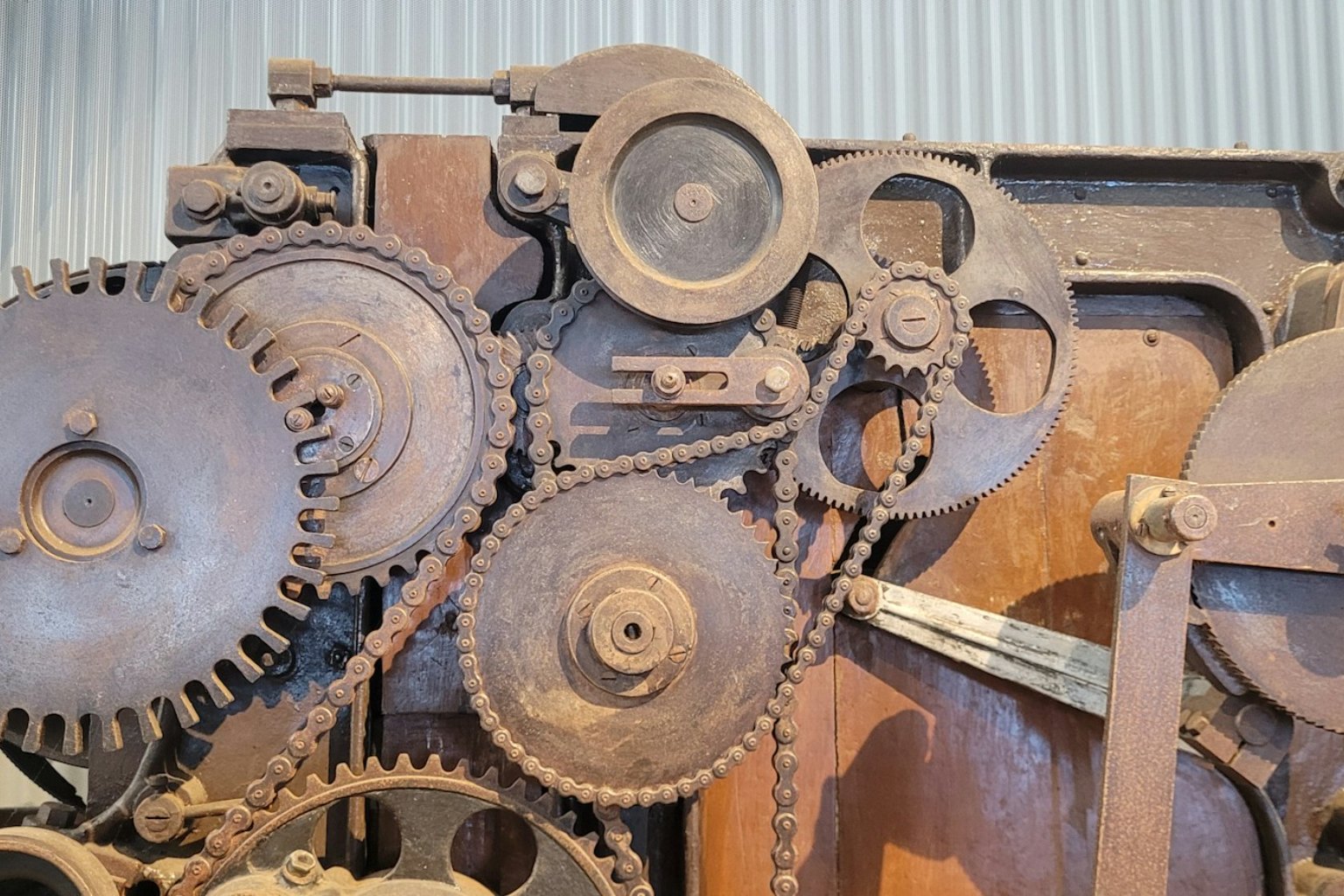
- Getting caught in or between moving machine parts, conveyors, rollers or presses
- Forklift, loader and heavy equipment accidents
- Falling loads, pallets, racking or building materials
- Machines that start up during cleaning, clearing a jam or maintenance
- Trench collapses and vehicle or trailer rollaways
These injuries can involve fractures, nerve and blood vessel damage, compartment syndrome and, in severe cases, amputation. Many need emergency surgery, hospitalization, rehabilitation and long-term follow-up care. For machine-specific issues, see workers’ comp for machinery accidents.
Machine safety rules your employer must follow
Under Cal/OSHA’s Title 8 §3314, machinery must be stopped and its energy sources de-energized or disengaged before cleaning, servicing, adjusting or unjamming, and locked out or blocked to prevent movement. Employers must have written, machine-specific hazardous energy control procedures. When an employer skips these steps and someone is crushed, the violation can matter both for Cal/OSHA enforcement and for a serious and willful misconduct claim.
Employers must also report a serious injury or death to Cal/OSHA immediately, which means no more than 8 hours after they know about it. You can file your own Cal/OSHA complaint, and Cal/OSHA keeps complainants’ names confidential unless they ask otherwise.
Workers’ comp benefits for a crush injury
| Benefit | What it covers | Law |
|---|---|---|
| Medical treatment | Care reasonably required to cure or relieve the injury, including surgery, hospital care, therapy, medicines and prosthetic or orthotic devices | Labor Code §4600 |
| Early treatment | Up to $10,000 in authorized treatment within one working day of filing your claim form, while the claim is being decided | Labor Code §5402 |
| Temporary disability | Two-thirds of your average weekly wage, $264.61 to $1,764.11 a week in 2026; generally up to 104 weeks within five years of the injury | Labor Code §§4453, 4656 |
| Permanent disability | Weekly payments based on your rating; ratings of 70% to under 100% add a life pension, and 100% means payments for life | Labor Code §§4658, 4659 |
| Job displacement voucher | $6,000 for retraining if your employer doesn’t offer suitable work (injuries since 2013), plus a possible one-time $5,000 Return-to-Work Supplement | Labor Code §4658.7 |
Temporary disability can run longer than 104 weeks, up to 240 weeks within five years, for certain listed injuries, including amputations and severe burns. See our explainer on the 104-week limit. Some injuries are conclusively presumed to be totally disabling, including loss of both hands or their use and practically total paralysis (Labor Code §4662). Estimate your benefits with our workers’ comp benefits calculator.
A hypothetical example
Ana works on a bakery production line. A supervisor tells her to clear a jam without shutting down the mixer, and her hand is caught. She has surgery on several fingers and is off work for five months. Her employer’s insurer owes her medical care and temporary disability while she recovers. When she reaches maximum medical improvement, a doctor rates her permanent impairment.
Because the supervisor ordered her to work on a running machine, Ana may also have a serious and willful misconduct claim, which can increase her compensation by one-half. If a defect in the mixer’s guarding contributed, she may have a separate product liability claim against the manufacturer.
When you can sue outside workers’ comp
Workers’ comp is usually your only remedy against your employer (Labor Code §3602), but there are important exceptions and alternatives:
- Third parties. You may sue a machine manufacturer, an equipment rental company, a general contractor or another company whose negligence caused the injury. These claims can include pain and suffering, which workers’ comp doesn’t pay.
- Power press guards. Labor Code §4558 allows a lawsuit against the employer when it knowingly removed, or failed to install, a point-of-operation guard on a power press, and specifically authorized that removal or failure knowing it created a probability of serious injury or death.
- Serious and willful misconduct. This isn’t a lawsuit, but it can increase your workers’ comp benefits by one-half. Read more about serious and willful misconduct.
For a deeper look, see crushed by machinery at work: can you sue outside workers’ comp?
Common insurer tactics and how to respond
- “It was your fault.” Fault generally doesn’t matter in workers’ comp. Section 3600 makes employers liable whether or not they were negligent, with limited exclusions.
- Delayed surgery or therapy. Treatment requests go through utilization review. If a request is denied, you can generally request independent medical review within 30 days.
- Pressure to return early. Don’t return to work beyond the restrictions your doctor has written.
- Low early settlement offers. A crush injury’s long-term effects, such as nerve pain, loss of grip or complex regional pain syndrome, may not be clear for months. See our guide to amputation settlements for how severe cases are valued.
Steps to protect your claim
- Get emergency care first. Then report the injury to your employer in writing as soon as you can; the general deadline is 30 days.
- File the DWC-1 claim form. Your employer must give it to you within one working day of learning about the injury.
- Preserve evidence. Write down the machine, what was happening, who was there and any safety steps that were skipped. Take photos if you can do so safely.
- Describe every symptom to your doctors. Numbness, color or temperature changes, weakness and pain all belong in your records.
- Don’t settle early. Wait until your doctors understand your long-term condition and future care needs.
Frequently asked questions
Am I covered if I made a mistake that caused the crush injury?
Generally yes. Workers’ comp is a no-fault system. Exclusions are narrow, such as injuries caused by intoxication or intentionally self-inflicted injuries.
Can I sue my employer for a crush injury?
Usually not directly, because workers’ comp is the exclusive remedy. Exceptions include certain power press guard removals under Labor Code §4558. You may be able to sue a third party, such as the equipment manufacturer.
How long can I receive temporary disability?
Generally up to 104 compensable weeks within five years of the injury. For certain listed injuries, including amputations and severe burns, it can extend to 240 weeks within five years.
Does workers’ comp pay for a prosthetic?
Yes. Labor Code §4600 includes orthotic and prosthetic devices that are reasonably required to cure or relieve the effects of the injury.
What is my crush injury case worth?
It depends on your permanent disability rating, wages, future medical needs and any third-party claim. There is no official average, and early estimates can be misleading.
Talk to a California workers’ comp lawyer
Employees First Labor Law represents workers exclusively, including people hurt by machinery and heavy equipment. We offer free virtual consultations to review your injury, benefits and any outside claims. Contact us online or call (310) 853-3461.
This article is general information about California law as of 2026, not legal advice for your situation. Reading it does not create an attorney-client relationship.
