

In this guide11 sections
- Key takeaways
- Common machinery accidents at work
- Lockout/tagout and machine guarding rules
- What workers’ comp pays after a machinery injury
- Steps to take after a machinery accident
- When your employer’s safety failures increase your benefits
- Claims beyond workers’ comp
- Common insurer arguments and how workers respond
- When to talk to a lawyer
- Frequently asked questions
- Talk to a California workers’ comp lawyer
If you were hurt by a machine at work in California, workers’ compensation generally covers you no matter who was at fault. That means medical care, wage-replacement checks while you can’t work, and permanent disability payments if you don’t fully recover. When a defective machine, a missing guard or an outside company played a part, you may also have claims beyond workers’ comp.
Key takeaways
- Workers’ comp is no-fault: you generally don’t have to prove your employer did anything wrong, and your own mistake usually doesn’t bar benefits (Labor Code §3600).
- Report the injury in writing within 30 days and ask for a DWC-1 claim form. Your employer must give you one within one working day of learning about the injury.
- As of 2026, temporary disability pays two-thirds of your average weekly wage, between $264.61 and $1,764.11 a week, and severe injuries such as amputations and severe burns can qualify for up to 240 weeks.
- If your employer’s serious and willful misconduct caused the injury, your compensation can be increased by one-half, but you must file within 12 months.
- A machine manufacturer, maintenance contractor or other outside party may be sued separately, generally within two years.
Common machinery accidents at work
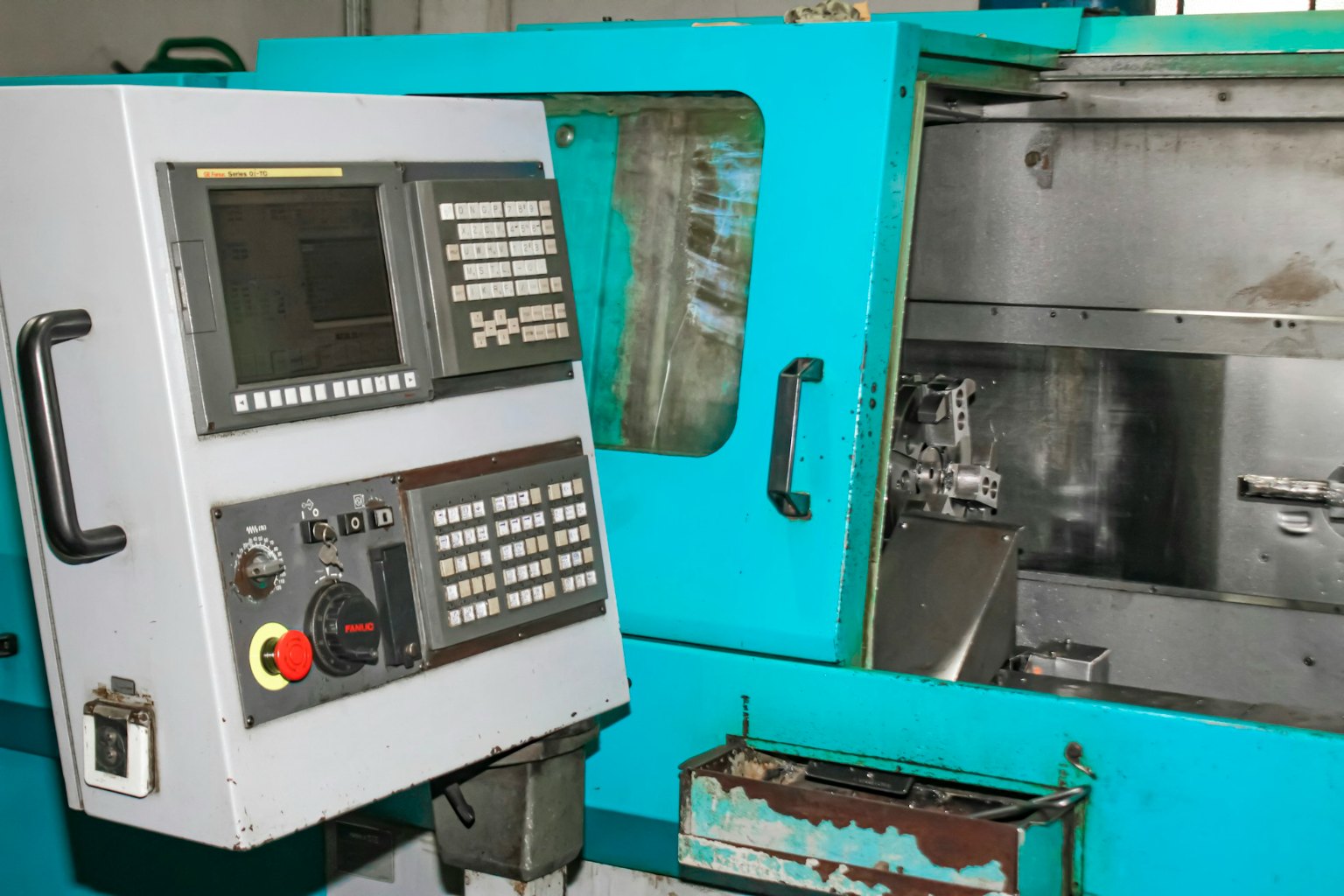
Machinery injuries happen across California’s warehouses, factories, food processing plants, farms, construction sites and recycling yards. Typical scenarios include:
- A hand or arm caught in a conveyor, roller or chain drive
- A press, shear or die closing on a worker’s hands
- Forklift tip-overs, pinning injuries and pedestrian strikes
- Power tools that kick back or have a failed guard
- Machines that start up during cleaning, clearing a jam or maintenance
- Packaging, bottling and baling lines that snag clothing or gloves
The injuries are often severe: crush injuries, amputations, fractures, nerve and tendon damage, burns, eye injuries and spinal trauma. Our guide to crush injuries at work covers that type of harm in more detail.
Lockout/tagout and machine guarding rules
Many machine accidents happen when equipment isn’t shut off properly. California’s safety rules generally require machinery to be stopped and its power source de-energized or disengaged before cleaning, servicing, adjusting or unjamming, with moving parts locked out or blocked where needed. Employers must also have written, machine-specific procedures for controlling hazardous energy (Cal. Code of Regs., tit. 8, §3314).
You don’t need to prove a safety violation to get workers’ comp. But a violation can matter for a penalty claim against your employer and for a lawsuit against an outside party, so note what you saw: missing guards, bypassed safety switches, no lock on the power source, or pressure to keep the line running.
Your employer must report a serious injury, illness or death to Cal/OSHA immediately, which the regulations define as no longer than 8 hours after it knows (Labor Code §6409.1; tit. 8, §342). You can also file your own Cal/OSHA complaint, and Cal/OSHA keeps complainant names confidential unless you ask otherwise.
What workers’ comp pays after a machinery injury
| Benefit | What it covers | Key rules (as of 2026) |
|---|---|---|
| Medical treatment | Surgery, hospital care, medicines, therapy, prosthetic and orthotic devices | Up to $10,000 in treatment must be authorized while the claim is under review (Labor Code §§4600, 5402) |
| Temporary disability | Wage replacement while you can’t work | Two-thirds of average weekly wages, $264.61 to $1,764.11 a week; generally up to 104 weeks within five years, up to 240 weeks for listed injuries such as amputations and severe burns |
| Permanent disability | Payments for lasting loss of function | Based on a rating from a doctor’s report; ratings of 70% or more add a life pension; 100% is paid for life (Labor Code §4659) |
| Supplemental job displacement benefit | Voucher for retraining or skill enhancement | $6,000 for injuries on or after January 1, 2013, if your employer doesn’t offer suitable work |
| Death benefits | Support for dependents and burial costs | $250,000 to $320,000 depending on the number of total dependents, plus up to $10,000 for burial (Labor Code §§4701, 4702) |
Temporary disability rates come from the Division of Workers’ Compensation’s 2026 announcement. To estimate your own weekly rate, try our free workers’ comp benefits calculator.
Here is a hypothetical. Luis earns $1,200 a week running a packaging line. A guard is missing, and his hand is crushed while he clears a jam. His temporary disability rate would generally be two-thirds of $1,200, or $800 a week. If his injury requires an amputation, his temporary disability can run up to 240 weeks under Labor Code §4656, and he will later receive a permanent disability rating once his condition stabilizes.
Steps to take after a machinery accident
- Get medical care. Tell every provider the injury happened at work.
- Report the injury in writing. You generally have 30 days to notify your employer (Labor Code §5400). Ask for the DWC-1 claim form, fill out the employee section and keep a dated copy.
- Preserve the evidence. Take photos of the machine, the guard area, warning labels and the control panel if you can do so safely. Write down the make, model and serial number, and the names of witnesses.
- Ask the employer to keep the machine as it is. A written request to preserve the equipment and maintenance records can matter if a manufacturer or contractor is later involved.
- Track your wages and expenses. Keep pay stubs, mileage to appointments and receipts.
- Watch the deadlines. A workers’ comp case generally must be filed within one year of the injury or the last benefit provided (Labor Code §5405).
When your employer’s safety failures increase your benefits
If your injury was caused by the serious and willful misconduct of your employer, an executive, a managing officer or a general superintendent, the compensation you’re otherwise owed can be increased by one-half, plus costs up to $250 (Labor Code §4553). A typical example is a supervisor who knowingly orders workers to run a machine with its guard removed. This claim must be filed within 12 months of the injury, and that deadline isn’t extended by the insurer paying benefits (Labor Code §5407). Read more about serious and willful misconduct claims.
Claims beyond workers’ comp
Workers’ comp is usually your only remedy against your employer (Labor Code §3602). It doesn’t pay for pain and suffering or your full lost earnings. But filing a comp claim doesn’t stop you from suing someone else who caused the injury (Labor Code §3852). Possible defendants include:
- The manufacturer or seller of a defective machine, part or safety device
- An outside company that installed, maintained or repaired the machine
- A general contractor or another subcontractor on a shared jobsite, depending on who controlled the work
There are also narrow exceptions that let you sue your employer itself, such as an employer that knowingly removed or failed to install a point-of-operation guard on a power press (Labor Code §4558). A lawsuit for personal injury generally must be filed within two years (Code of Civil Procedure §335.1). Our companion article, crushed by machinery at work: suing outside of workers’ comp, explains these options in detail.
Common insurer arguments and how workers respond
- “You were careless.” Comp is no-fault. Your own mistake generally doesn’t defeat the claim, though intoxication and intentionally self-inflicted injuries are exceptions.
- “Your rating is low.” Permanent disability ratings depend on medical reports, and you can challenge a report you disagree with through the medical-legal process.
- “You can go back to work.” If the doctor’s restrictions don’t fit the job offered, your benefits and retraining rights may be affected. Get the restrictions in writing.
When to talk to a lawyer
Legal advice usually makes sense after an amputation, a crush injury or any injury likely to leave lasting limits; when the insurer delays or denies treatment; when a safety violation or defective machine may be involved; or when you’re facing pressure at work after reporting the injury. Firing or punishing you for filing a comp claim can violate Labor Code §132a.
Frequently asked questions
Can I get workers’ comp if the accident was partly my fault?
Generally yes. California workers’ comp is paid without regard to fault, with narrow exceptions such as injuries caused by intoxication or intentionally self-inflicted injuries.
Can I sue my employer for a machinery accident?
Usually not. Workers’ comp is generally your only remedy against your employer, with limited exceptions such as certain power press guard violations and employers that are illegally uninsured. You may still be able to sue an outside party, such as the machine’s manufacturer.
Will workers’ comp pay for a prosthetic?
Medical treatment reasonably required to cure or relieve the injury includes prosthetic and orthotic devices (Labor Code §4600). Requests still go through the insurer’s review process.
What if my employer doesn’t have workers’ comp insurance?
You’re still entitled to benefits, and you may be able to sue the employer directly. See what to do if your employer doesn’t have workers’ comp insurance.
Does a third-party lawsuit affect my workers’ comp benefits?
It can. The employer or its insurer can generally seek reimbursement of benefits it paid out of a third-party recovery, and may get a credit against future benefits (Labor Code §§3852, 3856, 3858). Coordinating both cases is important.
Talk to a California workers’ comp lawyer
Employees First Labor Law represents workers exclusively in workers’ compensation and employment cases across California. We offer free virtual consultations to review your injury, your benefits and any claims against outside parties. Contact us online or call (310) 853-3461.
This article is general information about California law as of 2026, not legal advice for your situation. Reading it does not create an attorney-client relationship.
