

In this guide9 sections
- Key takeaways
- What counts as a traumatic brain injury
- Benefits you may be entitled to
- How TBI permanent disability is rated
- Common insurer challenges in TBI claims
- Evidence that strengthens a TBI claim
- Claims against outside parties
- Frequently asked questions
- Talk to a California workers’ comp lawyer
If you suffered a traumatic brain injury (TBI) at work in California, workers’ comp generally entitles you to medical care for the brain injury, wage-replacement payments while you recover, and permanent disability benefits for lasting cognitive, emotional or physical problems. A brain injury that leaves you with permanent mental incapacity is presumed to be 100% disabling, which means payments for life. Because TBI symptoms are often invisible on scans, documenting them carefully is the key to getting these benefits.
Key takeaways
- Even a “mild” TBI, such as a concussion, can cause lasting headaches, memory loss and mood changes, and it is covered like any other work injury.
- Benefits include medical treatment, temporary disability (as of 2026, $264.61 to $1,764.11 a week), permanent disability and a $6,000 retraining voucher if you can’t return to your job.
- A brain injury resulting in permanent mental incapacity is conclusively presumed to be a permanent total disability (Labor Code §4662).
- Depression or anxiety after a severe head injury can still add to your permanent disability rating (Labor Code §4660.1(c)).
- Neuropsychological testing, specialist reports and statements from family and coworkers are often the strongest evidence.
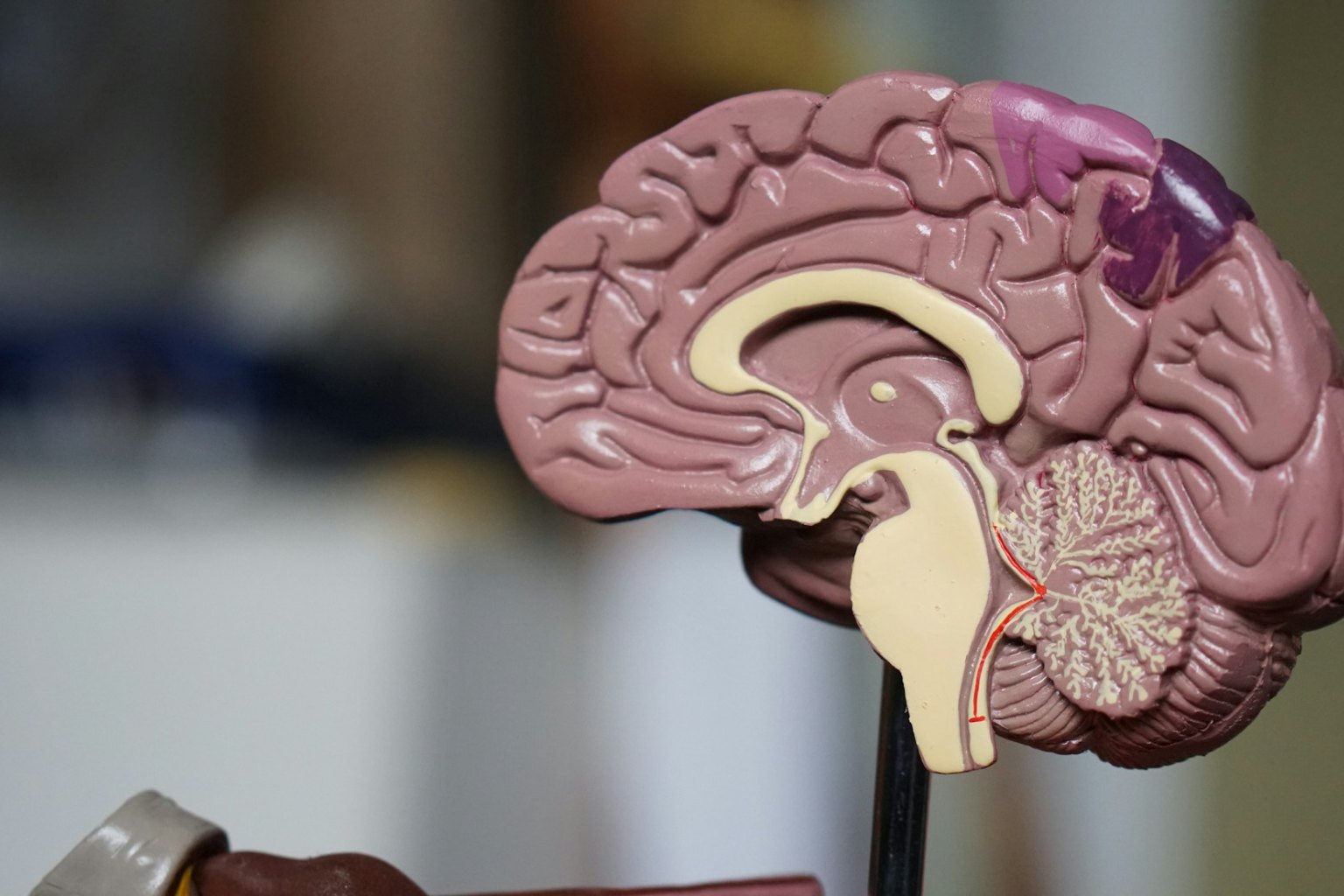
What counts as a traumatic brain injury
A TBI is a disruption of normal brain function caused by a blow, jolt or penetrating injury to the head. At work, common causes include falls, falling objects, vehicle crashes while driving for work, being struck by equipment, explosions and assaults. Doctors classify TBIs from mild (including concussions) to moderate and severe.
Symptoms can appear late and worsen over time. Watch for headaches, confusion, trouble concentrating or remembering, slowed thinking, dizziness and balance problems, light or noise sensitivity, sleep changes, irritability, depression and seizures. Report any head injury right away, even if you feel fine. Our guide to falls and head trauma at work covers the first steps after the accident.
Benefits you may be entitled to
| Benefit | What it covers (as of 2026) | Law |
|---|---|---|
| Medical treatment | Emergency care, imaging, neurology, neuropsychology, cognitive rehabilitation, speech, vestibular and occupational therapy, medications, psychological care and prescribed home health care | Labor Code §4600 |
| Temporary disability | Two-thirds of average weekly wages, $264.61 to $1,764.11 a week, generally up to 104 weeks within five years | Labor Code §4653; DWC 2026 rates |
| Permanent disability | Weekly payments based on your rating for lasting impairment; ratings of 70% to 99% add a life pension | Labor Code §§4658, 4659 |
| Permanent total disability | Payments for life, presumed for a brain injury causing permanent mental incapacity | Labor Code §§4659, 4662 |
| Job displacement voucher | $6,000 for retraining or skills training if your employer doesn’t offer suitable work (injuries on or after January 1, 2013) | Labor Code §4658.7 |
| Death benefits | $250,000 to $320,000 for total dependents, plus up to $10,000 for burial | Labor Code §§4701, 4702 |
The temporary disability limits come from the Division of Workers’ Compensation’s 2026 announcement; see also DWC’s job displacement benefit page. Estimate your weekly rate with our free workers’ comp benefits calculator.
How TBI permanent disability is rated
When your condition stabilizes, a doctor rates your permanent impairment using the AMA Guides, and the rating is adjusted for your occupation and age. For TBIs, the rating can reflect cognitive deficits, headaches, balance and vision problems, seizures and other physical effects.
Two special rules matter for brain injuries:
- Presumed total disability. Labor Code §4662 conclusively presumes permanent total disability for an injury to the brain resulting in permanent mental incapacity. Other TBIs can still be found totally disabling based on the medical and vocational facts.
- Psychiatric add-on. For injuries on or after January 1, 2013, a psychiatric condition that comes from a physical injury usually can’t increase your rating. But that limit doesn’t apply to a catastrophic injury, which the law says includes a severe head injury (Labor Code §4660.1(c)). Psychiatric treatment is covered either way.
Here is a hypothetical. Kevin, a delivery driver earning $1,050 a week, is rear-ended while on his route. His CT scan is normal, but he develops daily headaches, can’t follow multi-step directions and loses his temper easily. Neuropsychological testing documents memory and processing-speed deficits. His temporary disability rate would generally be $700 a week, and his eventual rating can account for the cognitive deficits and, if the head injury is found to be severe, his depression as well. He may also have a separate claim against the other driver.
Common insurer challenges in TBI claims
- “Your scans are normal.” Many concussions don’t show up on CT or standard MRI. Neuropsychological testing and specialist evaluations can document deficits imaging misses.
- “It’s stress, not a brain injury.” Insurers sometimes reframe cognitive symptoms as psychological. Consistent records from the date of injury forward help connect the symptoms to the head trauma.
- “It’s pre-existing.” Prior concussions or conditions don’t defeat a claim. Apportionment to other causes requires a doctor to address causation and state approximate percentages (Labor Code §4663).
- “It didn’t happen at work.” Report the injury in writing within 30 days (Labor Code §5400) and make sure every medical record describes how it happened.
- “The QME found minimal impairment.” You can object to and challenge medical-legal reports. Learn about the difference between a QME and an AME.
Evidence that strengthens a TBI claim
- Emergency and early treatment records describing the head strike
- Neuropsychological testing compared over time
- Reports from neurologists, neuro-ophthalmologists, and vestibular and speech therapists
- A symptom diary and written statements from family and coworkers about changes in memory, mood and behavior
- Job descriptions showing the mental demands of your work, and any vocational evaluation
For treatment options, see our guide to neurological treatment for TBIs. If a treatment request is denied through utilization review, you generally have 30 days from service of the decision to request independent medical review (Labor Code §4610.5).
Claims against outside parties
Workers’ comp is generally your only remedy against your employer, but you can also sue a third party whose negligence or defective product caused the TBI, such as another driver or an equipment manufacturer (Labor Code §3852). These lawsuits can pay pain and suffering and full lost earnings and generally must be filed within two years (Code of Civil Procedure §335.1). Read TBIs and third-party liability.
Frequently asked questions
Is a concussion covered by workers’ comp?
Yes. A concussion is a mild TBI, and if it happened at work it is covered like any other work injury, including treatment for lingering symptoms.
How long can I receive temporary disability for a TBI?
Generally up to 104 weeks within five years of the injury, as long as a doctor says you can’t work or your employer can’t accommodate your restrictions.
Can a brain injury lead to lifetime benefits?
Yes. A brain injury resulting in permanent mental incapacity is presumed to be 100% disability, paid for life. Ratings of 70% or more also earn a life pension.
Who handles the claim if I can’t manage it myself?
Family members often help gather records and track appointments. A lawyer can work with the family to protect the claim.
What if my TBI caused depression or anxiety?
Psychiatric treatment is covered when it results from the work injury, and a severe head injury is an exception to the rule that limits psychiatric add-ons to your rating.
Talk to a California workers’ comp lawyer
Employees First Labor Law represents workers exclusively in workers’ compensation and employment cases across California, including brain injury claims. We offer free virtual consultations. Contact us online or call (310) 853-3461.
This article is general information about California law as of 2026, not legal advice for your situation. Reading it does not create an attorney-client relationship.
