

In this guide7 sections
Employees First Labor Law obtained a $2,000,000 jury verdict for a worker in an employment case tried in San Bernardino Superior Court in 2025, the firm announced on November 14, 2025. The jury found that the defendants, an employer and related companies, engaged in unlawful conduct that caused the worker substantial harm. The firm handled the case from discovery through motion practice to trial.
Key takeaways
- A San Bernardino Superior Court jury returned a $2,000,000 verdict for an employee represented by Employees First Labor Law.
- The case went through the full litigation process: discovery, motions and a jury trial.
- Most employment cases resolve before trial, but a trial is how a worker gets a jury’s decision when a fair settlement isn’t offered.
- Past results do not guarantee a similar outcome in any other case.
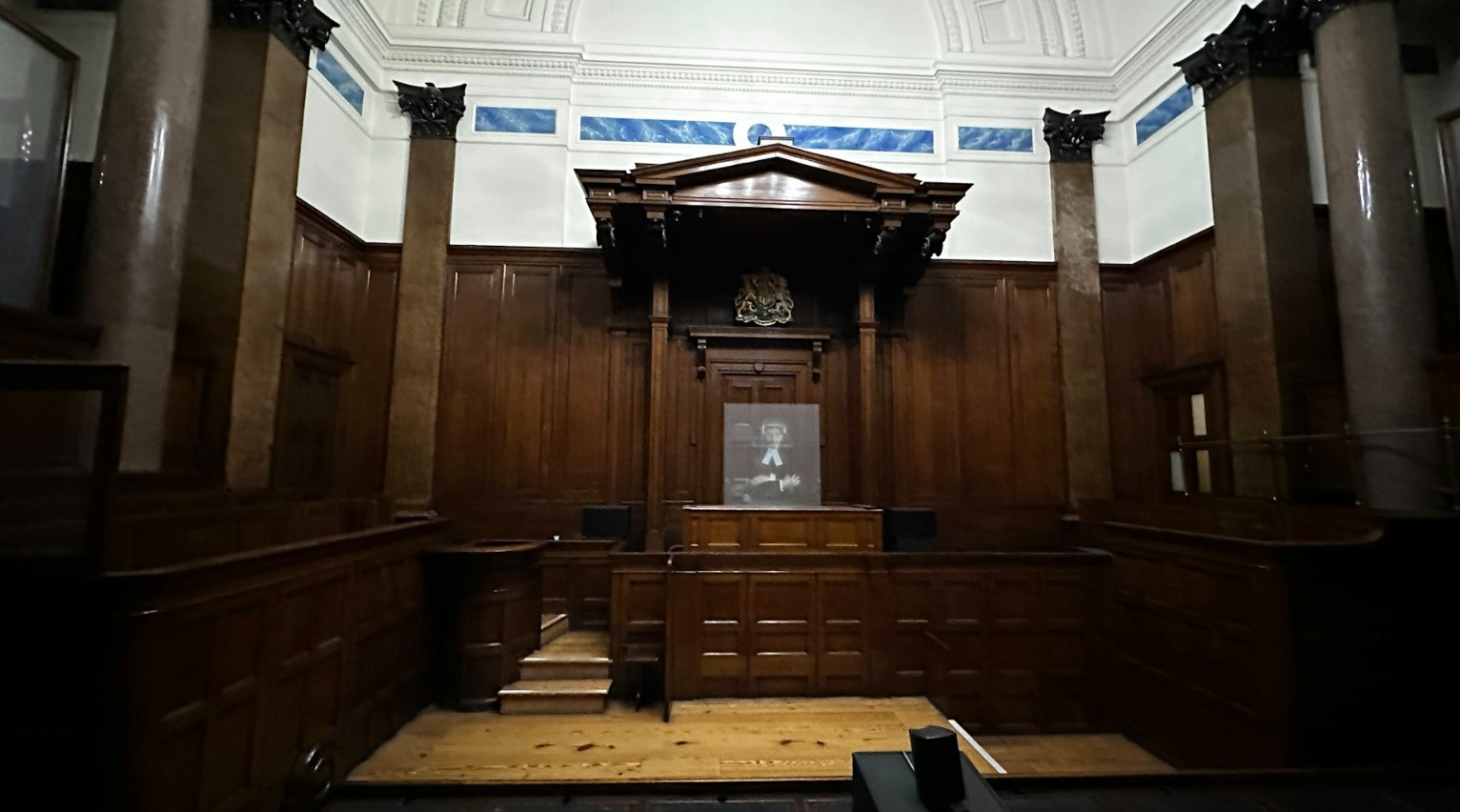
The verdict
After hearing the evidence, the jury found in favor of the worker and against the employer defendants, awarding $2,000,000. “This verdict sends a clear message that juries will hold employers accountable when they violate the law,” said Jonathan P. LaCour, the firm’s CEO and Senior Trial Counsel.
Past results do not guarantee a similar outcome in any other case. Every case depends on its own facts and the law that applies to them. You can see other matters on our results page.
What it takes to bring an employment case to trial
Most workers never see the inside of a courtroom, because many employment cases settle or are resolved at mediation. When an employer won’t take responsibility, the path to a jury usually looks like this:
- Investigation and filing. Gathering pay records, emails, texts and witness names, and meeting any agency filing requirements, such as getting a right-to-sue notice from the Civil Rights Department for discrimination, harassment or retaliation claims. See how to file a CRD complaint and get a right-to-sue notice.
- Discovery. Each side exchanges documents, answers written questions and takes depositions under oath.
- Motions. Employers often ask the court to dismiss claims before trial, and both sides argue over what evidence the jury may hear.
- Settlement efforts. Many cases go to mediation. Read what to expect at mediation.
- Trial. Witnesses testify, documents come into evidence, and the jury decides whether the employer broke the law and what damages to award.
What a jury can award
Depending on the claims, damages in a California employment case can include lost wages and benefits, future lost earnings, emotional distress and, in some cases, punitive damages and attorney’s fees. What a case is worth depends on the facts, the evidence and the law. Our guides to employment law damages in California and how much an employment case is worth explain the factors.
Evidence that matters
Strong cases are usually built on records made at the time. If something is wrong at work:
- Save emails, texts and messages about the problem, and keep notes with dates.
- Keep copies of pay stubs, schedules, performance reviews and any discipline.
- Write down the names of coworkers who saw what happened.
- Report the problem in writing if it is safe to do so, and keep a copy.
Our checklist of what to bring to your first consultation covers the documents that help most.
Frequently asked questions
Do most employment cases go to trial?
No. Many resolve through settlement or mediation. Trial is the option when an employer won’t agree to a fair resolution.
Does this verdict mean my case will be worth the same?
No. Every case is different, and past results do not guarantee a similar outcome in any other case.
How long does it take to get to trial?
It varies with the court, the claims and how hard the employer fights. Discovery and motions alone can take many months.
Can I be fired for bringing a claim?
California law bars retaliation for reporting or opposing discrimination, harassment and many other legal violations. See retaliation claims in California.
Talk to a California employment lawyer
Employees First Labor Law represents workers exclusively, and we prepare cases with trial in mind. We offer free virtual consultations to review what happened at your job. Contact us online or call (310) 853-3461.
This article is general information about California law as of 2026, not legal advice for your situation. Reading it does not create an attorney-client relationship.
