

In this guide10 sections
- Key takeaways
- What AI monitoring at work looks like
- Your data rights under the California Consumer Privacy Act
- AI tools and discrimination
- New California laws signed in 2026
- Rules that already limit surveillance
- When monitoring affects your pay
- What to do if you’re concerned
- Frequently asked questions
- Talk to a California employment lawyer
California employers can monitor work devices, accounts and productivity, but there are firm limits, and they are getting tighter. Larger employers must tell you what personal data they collect and let you see, correct or delete much of it. AI tools can’t be used to discriminate, and new laws signed in September 2026 ban surveillance in workplace bathrooms and AI that reads workers’ emotions or brain activity. If a monitoring tool cuts your pay, screens you out or gets you punished for speaking up, you may have a claim.
Key takeaways
- Since January 1, 2023, employees, job applicants and contractors of businesses covered by the California Consumer Privacy Act can ask what personal data is collected about them and ask to correct or delete it, and the employer can’t retaliate for asking.
- Using an AI or automated decision system that discriminates based on race, sex, age, disability or another protected trait may violate California’s Fair Employment and Housing Act (FEHA), under rules in effect since October 1, 2025.
- Laws signed September 30, 2026 ban surveillance tools in workplace bathrooms and AI that infers your emotions or collects neural data (from January 1, 2027), and limit firing or discipline based solely on AI (from July 1, 2027).
- Your employer must pay for all time you actually work, even if tracking software marks you “idle.”
- Video or audio recording in restrooms, locker rooms and changing rooms is already illegal under Labor Code §435.
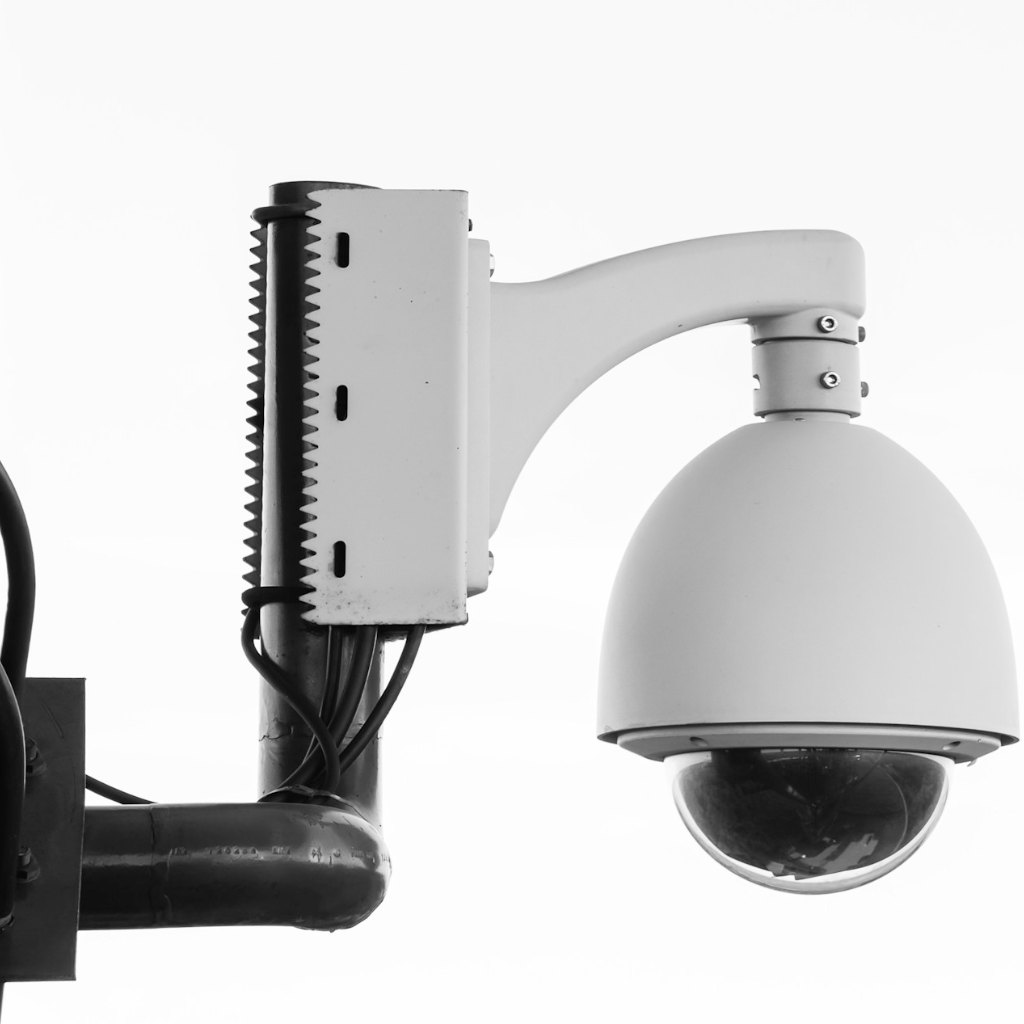
What AI monitoring at work looks like
Workplace monitoring has moved well beyond a security camera at the door. Common tools include:
- Productivity software that logs keystrokes, mouse movement, screenshots, apps used and “idle” time
- Video and audio analytics in meetings or call centers that score tone, speech or engagement
- GPS and location tracking on company phones, vehicles or delivery apps
- Algorithmic performance scores, scheduling tools and “flight risk” predictions
- Automated hiring tools that screen résumés, rank applicants or analyze video interviews
Monitoring isn’t illegal by itself. An employer can generally keep an eye on its own systems and the work you do for it. The legal questions are what it collects, whether it tells you, how it uses the results, and whether the tool treats some groups of workers worse than others.
Your data rights under the California Consumer Privacy Act
The California Consumer Privacy Act (CCPA), as amended by the California Privacy Rights Act, has covered employment data since the employee exemption expired on December 31, 2022. According to the California Attorney General, it applies to for-profit businesses that do business in California and meet at least one test, such as gross annual revenue over $25 million (the figure is adjusted periodically for inflation). Smaller employers and most nonprofits and government agencies are not covered.
If your employer is covered, you generally have the right to:
- Know what categories and specific pieces of personal information it collects about you, where they come from, how they’re used and who they’re shared with
- Correct inaccurate information
- Delete personal information, subject to exceptions (an employer can usually keep records it needs for payroll, legal compliance or defending claims)
- Limit the use of sensitive personal information, such as precise location or biometric data, to certain purposes
Civil Code §1798.125(a)(1)(E) bars a business from retaliating against an employee, job applicant or independent contractor for exercising these rights. Most CCPA violations are enforced by the California Privacy Protection Agency and the Attorney General rather than by private lawsuits, but the request itself can surface monitoring data that matters in a wage, discrimination or retaliation case.
The Privacy Protection Agency has also adopted rules on automated decisionmaking technology. Covered businesses that use it to make significant decisions, which include hiring, pay and other employment decisions, must comply with those rules beginning January 1, 2027. They include advance notice and, with some exceptions, ways to opt out or get information about how the technology was used.
AI tools and discrimination
An algorithm doesn’t get a pass under civil rights law. Under California Civil Rights Council regulations in effect since October 1, 2025, using an automated decision system may violate FEHA when it harms applicants or employees based on a protected characteristic. The Civil Rights Department’s examples include a hiring tool that screens out women by mirroring a male-dominated workforce. The rules also say:
- AI assessments, tests or games that draw out information about a disability may be an unlawful medical inquiry.
- Employers must keep employment records, including automated-decision data, for at least four years.
A tool that flags older workers, people with accents, or employees with disabilities as “low performers” more often may support a discrimination claim, even if no one intended that result. FEHA covers employers with five or more employees, and a complaint with the Civil Rights Department generally must be filed within three years. See how to file a CRD complaint.
New California laws signed in 2026
On September 30, 2026, the Governor signed a package of workplace AI bills. Based on published summaries of the final bills:
| Bill | What it does | Starts |
|---|---|---|
| AB 1331 | Bars employers from using workplace surveillance tools in employee bathrooms, with limited exceptions | January 1, 2027 |
| AB 1883 | Bars employers from using surveillance tools to infer employees’ emotional states or to collect neural data, with a safety exception | January 1, 2027 |
| SB 947 | Bars employers from relying solely on an automated decision system to discipline or fire a worker; requires human review and notice, and lets workers request a description of their data used | July 1, 2027 |
| SB 951 | Requires added notice when a mass layoff, relocation or closure is caused in whole or substantial part by AI or other automated technology | January 1, 2027 |
The surveillance laws are enforced by the Labor Commissioner and public prosecutors, with penalties of up to $500 per violation. For a wider look at next year’s changes, see new California employment laws for 2027.
Rules that already limit surveillance
- No cameras in restrooms or changing areas. Labor Code §435 bars audio or video recording of employees in a restroom, locker room or room designated for changing clothes, unless a court authorizes it, and bars any use of such a recording.
- The constitutional right to privacy. Article I, section 1 of the California Constitution lists privacy as an inalienable right, and California courts have applied it to private employers. Courts weigh your reasonable expectation of privacy against the employer’s legitimate reasons, so constant webcam or audio monitoring in your home, or tracking you after hours, is more vulnerable than monitoring a work laptop on the clock.
- Recording conversations. California generally requires everyone’s consent to record a confidential conversation. See recording your boss in California.
- Off-duty conduct. Labor Code §96(k) lets the Labor Commissioner hear claims for lost wages from a demotion, suspension or firing for lawful conduct during nonworking hours away from the employer’s premises.
When monitoring affects your pay
Tracking software often measures “active” time, not hours worked. California law requires pay for all time you are under your employer’s control or are suffered or permitted to work. Reading a document, thinking through a problem, or waiting on a system to load is still work.
Example (hypothetical): Dana answers customer emails from home. Her employer’s software marks her “idle” after three minutes without a keystroke and deducts those minutes from her timesheet. Over a week, the deductions total four hours. Those hours are likely still compensable, and if they push her past 8 hours in a day or 40 in a week, overtime may be owed too. See off-the-clock work.
Monitoring data can also cut the other way. Login records, activity logs and GPS pings can prove you worked before clocking in or after clocking out.
What to do if you’re concerned
- Read the policies. Save any monitoring notice, privacy notice, handbook section or software agreement you were asked to accept.
- Make a CCPA request in writing if your employer is covered. Ask what personal information it collects about you, the sources and how it is used.
- Request your personnel file and payroll records. See how to request your records.
- Keep your own record of hours, idle-time deductions and any discipline tied to a monitoring score.
- Watch the timing. If you were disciplined or fired soon after raising a privacy, pay or discrimination concern, write down dates and who was involved. See retaliation claims.
Frequently asked questions
Can my employer monitor my work computer?
Generally yes, especially on employer-owned devices and accounts. Covered employers must disclose the categories of data they collect, and monitoring can’t be used to discriminate or retaliate.
Can my employer watch me through my webcam when I work from home?
There’s no blanket ban, but constant webcam or audio monitoring in your home raises serious privacy questions under the California Constitution. Ask for the policy in writing and keep a copy.
Can I be fired because an AI tool scored me low?
California is an at-will state, but the decision can’t be based on a protected trait or retaliation. Once SB 947 takes effect in 2027, employers also can’t rely solely on an automated system to fire or discipline you.
Can I sue under the CCPA?
Generally only for certain data breaches. Other CCPA violations are enforced by the Privacy Protection Agency and the Attorney General, though monitoring can support other claims, such as unpaid wages, discrimination or retaliation.
Does my employer have to tell me it uses AI in hiring?
Covered businesses that use automated decisionmaking technology for significant employment decisions must give notice under privacy rules starting January 1, 2027.
Talk to a California employment lawyer
Employees First Labor Law represents workers exclusively. If workplace monitoring cut your pay, screened you out or led to discipline after you spoke up, we offer free virtual consultations to review your options. Contact us online or call (310) 853-3461.
This article is general information about California law as of 2026, not legal advice for your situation. Reading it does not create an attorney-client relationship.
