

In this guide12 sections
- 1. What happened in Santa Rosa
- 2. Meal and rest breaks for California nurses
- 3. Premium pay for missed breaks
- 4. Staffing ratios and who covers your patients
- 5. Strike rights for private hospital nurses
- 6. Pay, benefits and lockouts during a strike
- 7. Retirement plan changes: what is protected
- 8. A hypothetical example
- 9. What to do if you are missing breaks
- Laws this article relies on
- Frequently asked questions
- Talk to a California employment lawyer
Hundreds of nurses at Providence Santa Rosa Memorial Hospital walked off the job on Oct. 27, 2026, for a two-day strike, and their union put break coverage and a retirement contribution at the center of the dispute alongside pay. If you are a nurse at a private California hospital, state law already gives you meal and rest breaks, premium pay when they are missed, and staffing ratios that keep applying while you are on break. Federal law protects your right to strike, with notice rules unique to healthcare.
- A missed meal or rest break generally earns you one extra hour of pay at your regular rate for that workday (Labor Code §226.7; Wage Order 5).
- Healthcare workers on shifts over 8 hours may waive one of two meal periods, but only in a signed written agreement you can revoke on one day’s written notice.
- Nurse-to-patient ratios apply at any one time, so your patients need qualified coverage while you are on break.
- Private hospital nurses have a federally protected right to strike; the union must give 10 days’ written notice first (NLRA §8(g)).
- In ERISA-covered plans, retirement benefits you have already accrued are generally protected from plan amendments.
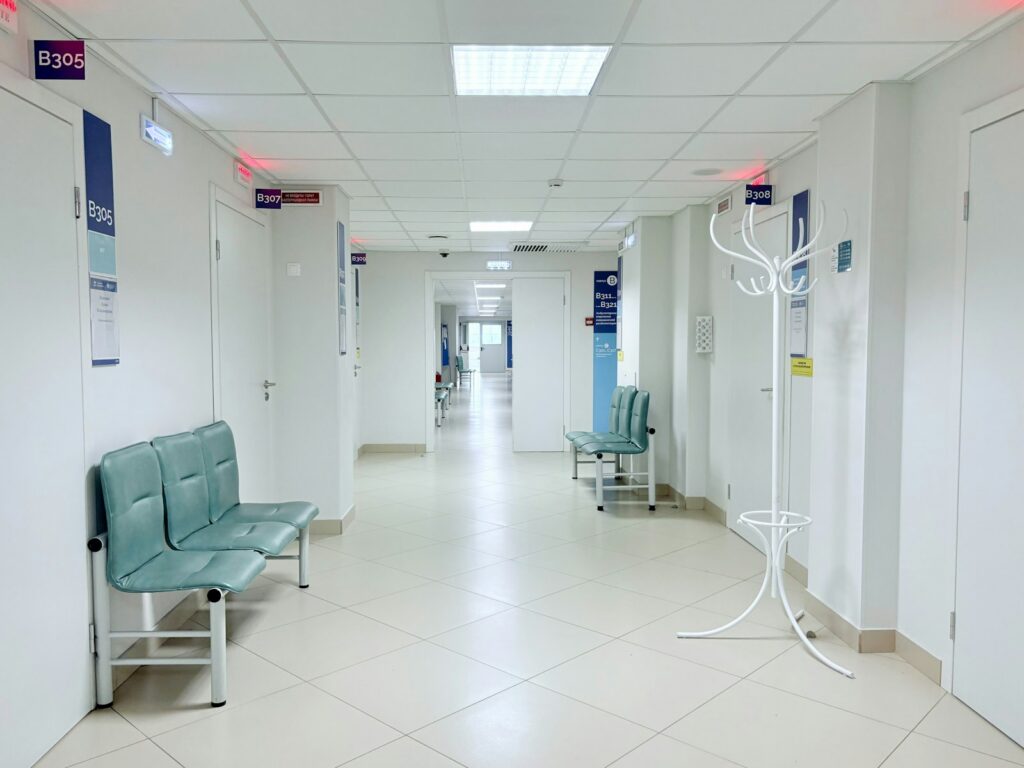
1. What happened in Santa Rosa
KQED reported on Oct. 27, 2026, that hundreds of nurses represented by the Staff Nurses Association began a two-day strike at Providence Santa Rosa Memorial Hospital. Nurses walked off at 5 a.m. on Tuesday, Oct. 27, and the strike was scheduled to end at 5 p.m. on Wednesday, Oct. 28. KQED noted that the hospital is the only designated Level II trauma center serving the North Coast region.
Watch the KRON 4 report: “Hundreds of nurses begin 2-day strike in North Bay” (KRON 4, October 27, 2026)
According to KQED, the union’s president said the nurses are paid about 10% less than nurses at Sutter and well below nurses at Kaiser. The union said the hospital is failing to fund dedicated break-relief nurses, so nurses on duty cannot step away, and called that a patient-safety issue. It is protesting proposals to eliminate the 401(a) employer retirement contribution, reduce paid time off and prioritize nonunion travel nurses, and it claims the hospital has bargained in bad faith. The nurses’ last contract expired on Sept. 30, 2026. Becker’s Hospital Review reported that the union represents 795 nurses at the hospital.
In an Oct. 21 statement on its website, Providence said it was disappointed the union chose to strike instead of continuing to bargain, that wage discussions were in the “very early stages,” and that it had contracted “well-qualified nurses” to temporarily replace strikers, expecting no impact on patient care. It said “strikes don’t settle contracts; they delay them” and that it looked forward to returning to the bargaining table.
The nurses in this story are not our clients, and we take no position on the dispute. Here is what the law generally provides to nurses at private California hospitals.
2. Meal and rest breaks for California nurses
Private hospital nurses are generally covered by Labor Code §512 and IWC Wage Order 5, which includes hospitals:
- Meal periods: 30 minutes when you work more than 5 hours, and a second 30 minutes when you work more than 10 hours, so a 12-hour shift normally includes two.
- Rest breaks: 10 paid minutes for every 4 hours worked or major fraction, generally three on a 12-hour shift. The Labor Commissioner says you must be relieved of all duty; on-call rest breaks are not allowed.
- On-duty meal periods: allowed only when the nature of the work prevents relief, and only by a written agreement you can revoke.
The healthcare meal waiver. Section 11(D) of Wage Order 5 lets healthcare employees on shifts longer than 8 hours voluntarily waive one of their two meal periods. The waiver must be a written agreement signed by you and the employer, you can revoke it with at least one day’s written notice, and you must be paid for all working time while it is in effect. Labor Code §516(b) confirms these waivers are valid. The waiver never covers rest breaks, and waiving your second meal does not excuse a missed first one.
3. Premium pay for missed breaks
When an employer fails to provide a required meal or rest period, Labor Code §226.7 requires one additional hour of pay at your regular rate for each workday it happens. California courts have held that a day with both a missed meal and a missed rest break can carry two premium hours. See our guides to meal and rest break premiums and meal and rest break violations.
Union nurses keep these rights. The union-contract exemption in Labor Code §512(e) covers construction, commercial driving, certain security officers and utilities, not hospitals, although some disputes may also run through your grievance process. Claims for unpaid premiums can generally be brought within three years, and in some cases four.
| Rule | What California law generally requires | Source |
|---|---|---|
| Meal periods | 30 minutes after more than 5 hours; a second after more than 10 hours | Labor Code §512; Wage Order 5, §11 |
| Healthcare meal waiver | Shifts over 8 hours; one of two meals; signed in writing; revocable on one day’s notice | Wage Order 5, §11(D); Labor Code §516(b) |
| Rest breaks | 10 paid, duty-free minutes per 4 hours or major fraction | Wage Order 5, §12 |
| Missed meal or rest break | One extra hour at your regular rate per workday, for each type missed | Labor Code §226.7 |
| Coverage while on break | Ratios apply at any one time; a reliever needs demonstrated competence on the unit | Health & Safety Code §1276.4; Title 22, §70217 |
4. Staffing ratios and who covers your patients
Health and Safety Code §1276.4 requires minimum nurse-to-patient ratios by unit, and Title 22, §70217 sets them: for example, 1:2 in intensive care, 1:4 in telemetry, 1:5 in medical-surgical units, and 1:1 for critical trauma patients in the emergency department. Each ratio is the maximum number of patients assigned to one licensed nurse at any one time.
That makes breaks a staffing question. When you step away, your patients still have to be covered within the ratio. Charge nurses and managers may relieve you only if they have demonstrated current competence on that unit, and they count toward the ratio only while giving direct patient care.
Speaking up is protected. Health and Safety Code §1278.5 bars a health facility from retaliating against employees who complain about quality of care or conditions, presumes retaliation for adverse action within 120 days of a known complaint, and allows reinstatement, lost wages and benefits. Labor Code §98.6 protects complaints about unpaid wages, and Labor Code §1102.5 protects reports of suspected violations. Our healthcare worker rights guide covers more.
5. Strike rights for private hospital nurses
Sections 7 and 13 of the National Labor Relations Act protect private-sector employees’ right to strike. Under §8(g), a union must give a hospital and the Federal Mediation and Conciliation Service at least 10 days’ written notice of the date and time a strike or picketing will begin. That duty falls on the union, not individual nurses. Nurses at public hospitals follow different state-law rules.
According to the National Labor Relations Board, economic strikers, who strike over wages or conditions, cannot be fired but may be permanently replaced in some circumstances. Strikers protesting an employer’s unfair labor practices cannot be fired or permanently replaced and are generally entitled to their jobs back. Some strikes are unprotected, such as those breaking a no-strike clause or repeated intermittent strikes, and serious picket-line misconduct can cost a striker reinstatement. An unfair labor practice charge generally must be filed with the NLRB within six months.
6. Pay, benefits and lockouts during a strike
Your employer generally does not have to pay you for strike hours, but wages earned before the strike are still owed. Paid time off and health coverage during a strike depend on your contract and plan, so ask your union and plan administrator in advance.
Unemployment treats strikes and employer lockouts differently. Under Unemployment Insurance Code §1262, workers who leave work because of a trade dispute are generally ineligible while it is in active progress, but EDD guidance says employees in a unilateral lockout generally are not disqualified, with exceptions.
7. Retirement plan changes: what is protected
Ending an employer retirement contribution generally affects future money, not money already in your account. In plans covered by the federal anti-cutback rule, an amendment generally cannot reduce benefits you have already accrued, though future benefits can change, subject to bargaining if you have a union. Check your vesting schedule, because unvested employer contributions may be lost if you leave early.
Some plans of religiously affiliated employers may be “church plans” exempt from ERISA’s main protections, including the anti-cutback rule, unless they elect coverage. Your plan documents should say which rules apply. Our ERISA page explains the basics.
8. A hypothetical example
Lena (a hypothetical nurse) works 12-hour telemetry shifts at a private California hospital and signed a waiver of her second meal period. On six shifts in one month, no one with telemetry competence was free to relieve her, so she worked through her first meal and two of her three rest breaks.
Her waiver covered only the second meal. For each of those days, she may be owed one premium hour for the missed meal and one for the missed rest breaks. At a regular rate of $90 an hour, that could be up to $180 a day, or $1,080 for the month.
Keep a dated record of missed meal and rest periods and your pay stubs, then get advice on your options.
9. What to do if you are missing breaks
- Keep a private log of each missed or interrupted break: date, unit, reason and whom you asked for relief. Describe staffing, not patients.
- Save schedules and pay stubs, and check stubs for a premium line on days you missed breaks.
- Report the problem in writing to your manager or union, and keep a copy.
- Request payroll records if needed; employers must provide them within 21 calendar days (Labor Code §226(b)).
- Talk to your union representative or an employment lawyer before deadlines run.
Laws this article relies on
| Law | What it does here |
|---|---|
| Labor Code §226.7; Wage Order 5 | Break premium pay |
| NLRA §8(g) | Healthcare strike notice |
News sources: KQED (October 27, 2026); Becker’s Hospital Review (October 27, 2026); Providence statement (October 21, 2026).
Frequently asked questions
Can my hospital make me skip a rest break because no one can cover my patients?
Your employer must authorize and permit duty-free rest breaks. If it does not, it generally owes you an extra hour of pay for that workday.
Do union nurses get meal and rest break premiums?
Generally yes. The meal period exemption for union contracts does not cover hospital nurses.
Can I be fired for going on strike?
Not for a lawful strike. Economic strikers may be permanently replaced in some circumstances; unfair labor practice strikers generally get their jobs back.
Can I collect unemployment during a strike?
Generally not while the dispute is in active progress. Locked-out workers may qualify, depending on the facts.
Can my employer take away retirement money I already have?
In ERISA-covered plans, generally no: accrued benefits are protected from plan amendments, though future contributions can change. Church plans may follow different rules.
Talk to a California employment lawyer
Employees First Labor Law represents workers exclusively. If you have been missing meal or rest breaks, or were disciplined after speaking up about staffing, we offer free virtual consultations. Contact us or call (310) 853-3461.
This article is general information about California law as of 2026, not legal advice for your situation. Reading it does not create an attorney-client relationship.
