

In this guide10 sections
- Key takeaways
- Common arm and shoulder injuries at work
- Sudden injuries and injuries that build over time
- Benefits for arm and shoulder injuries
- How treatment gets approved
- Light duty and restrictions
- What to do after an arm or shoulder injury at work
- Common insurer arguments and how workers respond
- Frequently asked questions
- Talk to a California workers’ comp lawyer
If you hurt your arm or shoulder at work in California, workers’ compensation generally covers it, whether it happened in one moment, like a fall or a heavy lift, or built up over months of overhead reaching and repetitive motion. You can receive medical treatment, including surgery when it’s reasonably required, wage replacement while you can’t work, and permanent disability if lasting limits remain. Report the injury to your employer in writing as soon as you can and file a DWC-1 claim form.
Key takeaways
- Sudden injuries and gradual “cumulative” injuries from repetitive arm and shoulder work are both covered (Labor Code §3208.1).
- California’s treatment guidelines include specific shoulder and elbow guidelines that doctors and insurers must apply when deciding on MRIs, injections, therapy and surgery.
- Temporary disability pays two-thirds of your average weekly earnings, between $264.61 and $1,764.11 a week in 2026.
- “Degenerative” or “pre-existing” arguments don’t defeat a claim when work caused or aggravated the injury; they mainly affect how permanent disability is apportioned (Labor Code §4663).
- If utilization review denies treatment, you generally have 30 days to request independent medical review.
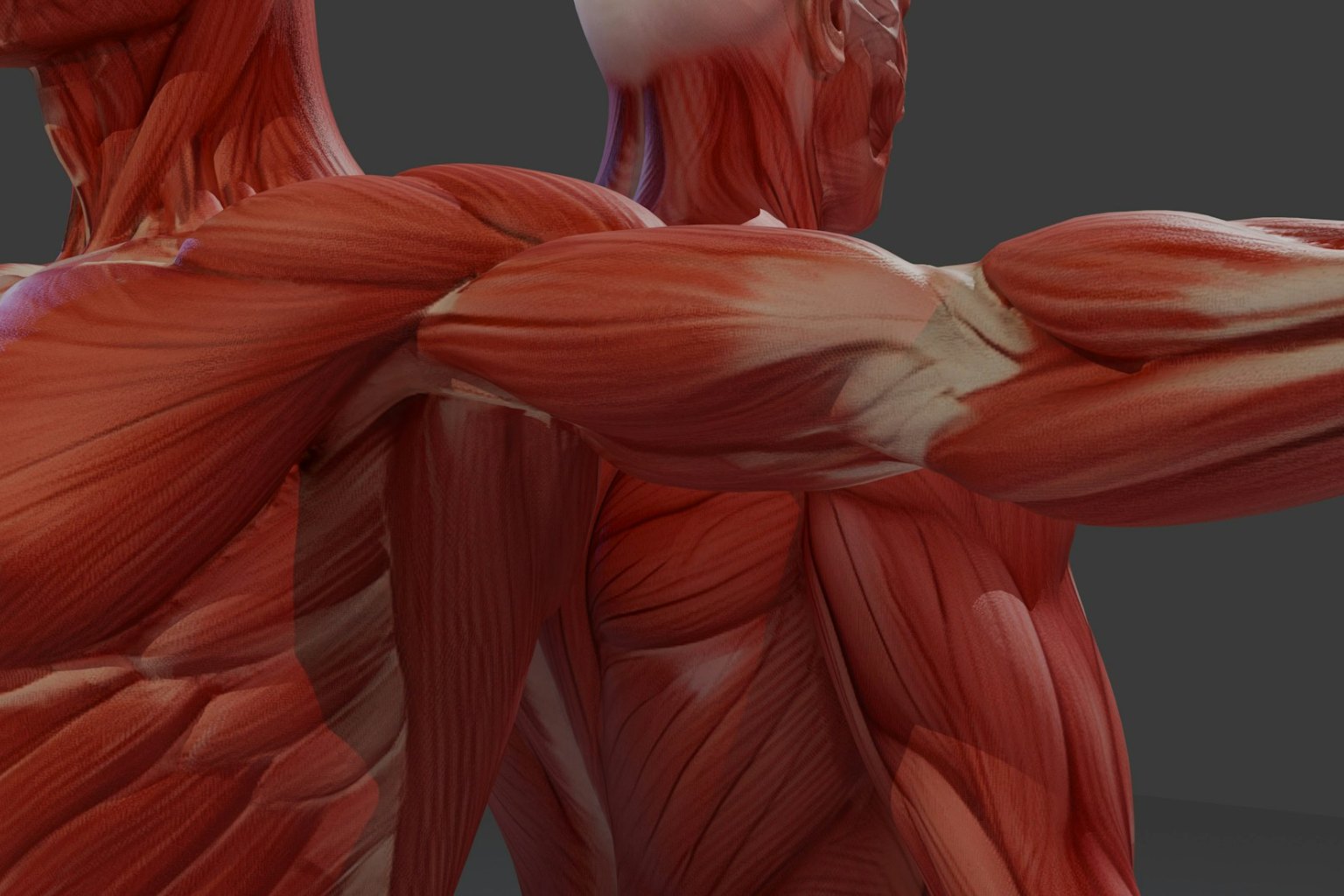
Common arm and shoulder injuries at work
| Injury | How it often happens at work |
|---|---|
| Rotator cuff tears and tendinitis | Overhead work, heavy lifting, repeated reaching, falls onto an outstretched arm |
| Shoulder impingement and bursitis | Stocking shelves, painting, installing fixtures, repetitive overhead motion |
| Labral (including SLAP) tears | Catching a falling load, pulling, sudden jerking of the arm |
| Dislocations and separations | Falls from ladders or docks, vehicle crashes, being struck by equipment |
| Fractures of the arm, elbow or collarbone | Falls, falling objects, machinery accidents |
| Lateral and medial epicondylitis (tennis and golfer’s elbow) | Gripping tools, assembly work, repeated twisting |
| Cubital tunnel and ulnar nerve entrapment | Leaning on elbows, repeated bending at the elbow |
Warehouse and delivery workers, construction trades, mechanics, nurses and caregivers, janitors and grocery workers see many of these injuries. If your symptoms center on the hand or wrist, see our guide to hand and wrist injuries at work.
Sudden injuries and injuries that build over time
Labor Code §3208.1 recognizes two kinds of injury. A specific injury comes from one event, like feeling a pop in your shoulder while lifting a box. A cumulative injury comes from repetitive, physically traumatic activity over time, like years of overhead drilling. Both are covered.
For a cumulative injury, the date of injury is generally when you first suffered disability and knew, or reasonably should have known, that work caused it (Labor Code §5412). Read more about cumulative trauma and repetitive use injuries.
Hypothetical example: Luis stocks shelves overnight at a grocery store and spends much of each shift lifting cases above shoulder height. His right shoulder aches for months, and an MRI shows a partial rotator cuff tear. The insurer says the tear is “age-related.” Luis’s doctor explains that the repeated overhead lifting contributed to it. If work contributed, his claim can go forward as a cumulative injury, and arguments about wear and tear mainly matter later, when permanent disability is apportioned.
Benefits for arm and shoulder injuries
- Medical treatment: your employer must provide treatment reasonably required to cure or relieve the effects of the injury (Labor Code §4600), such as imaging, physical therapy, injections and surgery. While your claim is being decided, your employer must authorize up to $10,000 in treatment. See medical treatment rights in California.
- Medical mileage: reimbursement for travel to treatment and medical-legal exams, at 76 cents a mile for travel on or after July 1, 2026.
- Temporary disability (TD): two-thirds of your average weekly earnings while you can’t work, within the 2026 range of $264.61 to $1,764.11 a week, generally for up to 104 weeks within five years of the injury.
- Permanent disability (PD): if you have lasting loss of motion, strength or function after you reach maximum medical improvement. For injuries on or after January 1, 2014, PD pays $160 to $290 a week for ratings under 100%, for a number of weeks set by your rating.
- Supplemental job displacement voucher: up to $6,000 for retraining if your injury was on or after January 1, 2013, you have a permanent partial disability and your employer doesn’t offer qualifying work. Voucher recipients may also qualify for a one-time $5,000 Return-to-Work Supplement.
To estimate your weekly benefits, try our workers’ comp benefits calculator.
How treatment gets approved
California’s Medical Treatment Utilization Schedule (MTUS) includes a Shoulder Disorders Guideline and an Elbow Disorders Guideline, both adopted in the Title 8 MTUS regulations. Under Labor Code §4604.5, the MTUS is presumed correct on the extent and scope of treatment, but that presumption can be rebutted with scientific medical evidence.
Your doctor submits a request for authorization, and the insurer reviews it through utilization review (UR). Routine decisions are generally due within five business days and no more than 14 days from the request; urgent requests within 72 hours (Labor Code §4610). If UR denies or modifies the request, you can ask for independent medical review (IMR), generally within 30 days after the UR decision is served (Labor Code §4610.5). Learn more about utilization review.
Light duty and restrictions
Shoulder injuries often come with restrictions such as no overhead reaching, no lifting over a set weight, or limited use of one arm. If your employer offers work within those restrictions, full temporary disability generally stops. If the modified job pays less, you may receive temporary partial disability for the wage loss. If your employer can’t accommodate your restrictions, TD continues while you’re medically unable to do your usual job.
Separately, employers with five or more employees must engage in a timely, good-faith interactive process and provide reasonable accommodation for a known disability under the Fair Employment and Housing Act (Gov. Code §12940(m), (n)). Firing or punishing you because you filed a workers’ comp claim can violate Labor Code §132a. See workers’ comp retaliation.
What to do after an arm or shoulder injury at work
- Get medical care and tell the provider exactly how the injury happened at work, including the repetitive tasks if it built up over time.
- Report the injury in writing. Labor Code §5400 calls for notice within 30 days. Late notice bars a claim only if the employer was misled or prejudiced (§5403), but don’t wait.
- File a DWC-1 claim form. Your employer must give you one within one working day after learning of the injury (see the DWC’s claim-filing steps). Keep a copy of what you return.
- Write down your job duties: how often you lift, how much, how high, and which arm you use most. This helps a cumulative claim.
- Disclose prior injuries honestly. If asked, you must disclose prior permanent disabilities or impairments (Labor Code §4663(d)).
- Follow restrictions and keep appointments. Gaps in care give the insurer an opening.
If your employer doesn’t deny the claim within 90 days after you file the claim form, it is presumed covered. The general deadline to start a case before the Workers’ Compensation Appeals Board is one year from the date of injury, or from your last benefit payment or treatment (Labor Code §5405).
Common insurer arguments and how workers respond
- “The rotator cuff tear is degenerative.” A work injury that aggravates an existing condition can still be covered. Under §4663, the doctor must estimate how much permanent disability was caused by the work injury and how much by other factors. That may reduce the PD award, but it doesn’t erase the injury.
- “Conservative care first.” The guidelines often call for therapy before surgery, but if your doctor documents why surgery is now needed and UR still denies it, IMR is the next step.
- “It happened at home or at the gym.” Prompt reporting, witnesses and a consistent history in every medical record answer this.
- “You can do full duty.” If the treating doctor’s restrictions say otherwise, the insurer can’t simply ignore them. Disputes over work status can go to a qualified medical evaluator.
If your claim was rejected, see denied workers’ compensation claim.
Frequently asked questions
Is a shoulder injury from repetitive overhead work covered?
Yes, it can be. Repetitive lifting, reaching or overhead work that injures the shoulder over time can be a cumulative injury under Labor Code §3208.1, even without a single accident.
Will workers’ comp pay for rotator cuff surgery?
Workers’ comp must provide treatment reasonably required to cure or relieve the effects of your work injury, which can include surgery. The request goes through utilization review using the MTUS shoulder guideline, and a denial can be challenged through independent medical review.
I had shoulder pain before this job. Can I still file?
Yes. A prior condition doesn’t bar a claim if work caused or aggravated your current injury. It may affect apportionment of permanent disability, so disclose it honestly.
How much is a shoulder injury worth in workers’ comp?
It depends on your permanent disability rating, your earnings and your date of injury. Ratings vary with range of motion, strength loss and whether you had surgery, so there is no standard amount.
Can I be fired while I’m off work with a shoulder injury?
An employer can’t fire you because you were injured or filed a claim, and it may have a duty to accommodate your restrictions under FEHA. A layoff for genuinely unrelated reasons can still happen, so talk to a lawyer if the timing looks suspicious.
Talk to a California workers’ comp lawyer
Employees First Labor Law represents workers exclusively, including injured workers in California workers’ comp cases. We offer free virtual consultations to review your arm or shoulder injury, your treatment and your benefits. Contact us online or call (310) 853-3461.
This article is general information about California law as of 2026, not legal advice for your situation. Reading it does not create an attorney-client relationship.
