

In this guide7 sections
In July 2025, UCLA agreed to pay $6.13 million to settle a federal lawsuit over antisemitic exclusion on campus during the 2024 protests, and in February 2026 the U.S. Department of Justice sued the University of California over alleged harassment of Jewish and Israeli employees at UCLA. If you work in California and are harassed because of your religion, ancestry or national origin, your employer must act once it knows or should know, even when the harassers are students, customers or members of the public.
Key takeaways
- The UCLA settlement included payments to the plaintiffs, $2.33 million for organizations and a court order on campus access, according to news reports.
- Employees are protected by Title VII and California’s Fair Employment and Housing Act (FEHA), which applies to public employers such as the state, cities and the University of California.
- Under FEHA, an employer can be liable for harassment by coworkers or nonemployees it knew or should have known about and failed to correct promptly (Gov. Code §12940(j)(1)).
- You generally have three years to file with the California Civil Rights Department (CRD) and 300 days to file with the EEOC.
What happened at UCLA
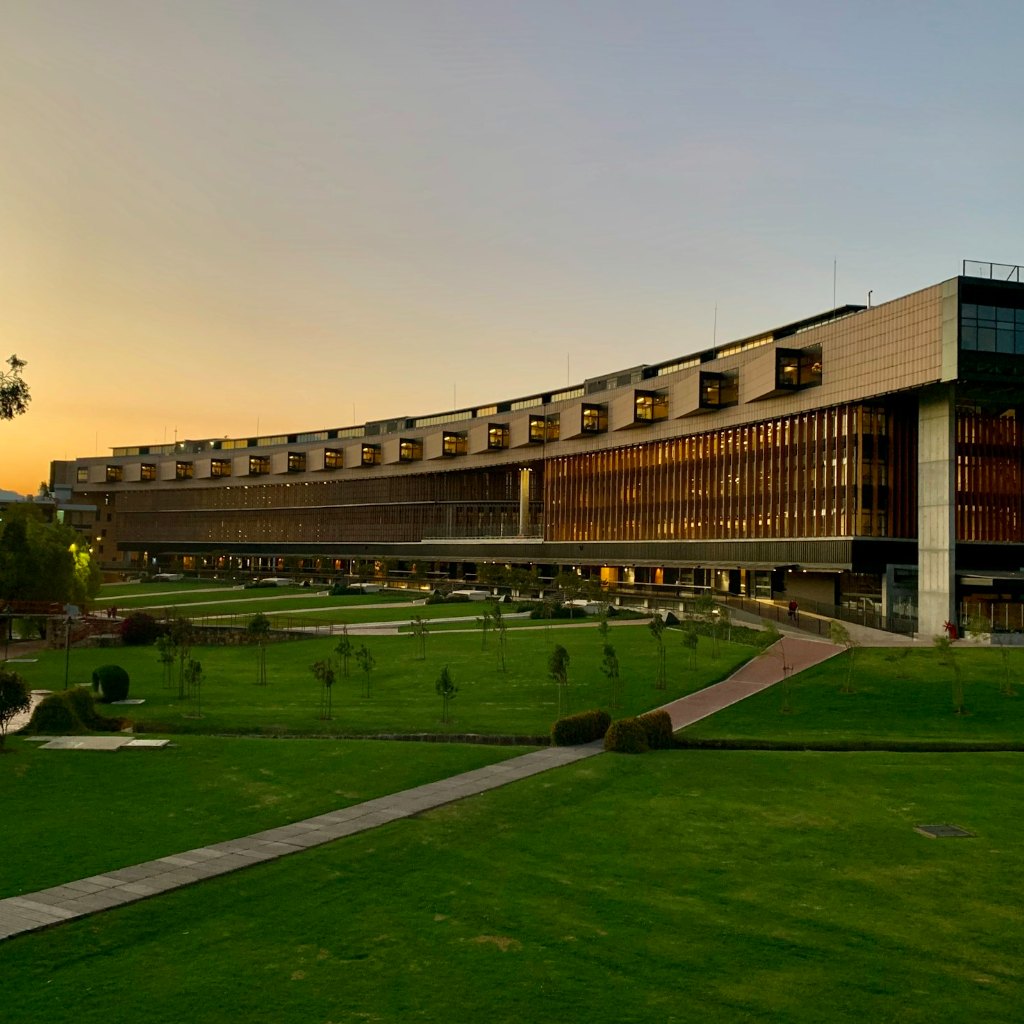
News reports said Jewish plaintiffs, including UCLA students, sued in 2024, alleging they were blocked from parts of campus during protest encampments. On July 29, 2025, UCLA agreed to a $6.13 million settlement. Reports said it paid each of the four plaintiffs $50,000, gave $2.33 million to eight organizations that support the Jewish community or combat antisemitism, with the rest covering legal costs. It also agreed to a court order barring the university from facilitating efforts to exclude Jewish students and faculty from campus.
The same day, the Justice Department announced it had found that UCLA violated Title VI and the Equal Protection Clause by acting with deliberate indifference to a hostile educational environment for Jewish and Israeli students. In February 2026, it filed a separate Title VII lawsuit alleging that UC failed to prevent and correct harassment of Jewish and Israeli employees, after an EEOC charge filed in 2024. Those are allegations, not findings by a court.
Students and employees are protected by different laws
Students’ claims against schools usually run through Title VI and similar laws, which generally require showing the school was deliberately indifferent. Employees have a different path:
- Title VII covers employers with 15 or more employees and bars harassment based on religion, race and national origin.
- FEHA bars harassment based on religious creed, ancestry, national origin, race and other traits, and its harassment ban applies to employers with even one employee. Its definition of employer includes the state, its political subdivisions and cities (Gov. Code §12926(d)).
Under Gov. Code §12940(j)(1), harassment by a coworker is unlawful if the employer knew or should have known and failed to take immediate and appropriate corrective action. The same standard can make an employer responsible for nonemployees, such as students, patients, customers or protesters, with courts weighing how much control the employer had over them. The employer must also take all reasonable steps to prevent harassment (§12940(k)).
Protest versus harassment at work
Political protest can be protected speech, and disagreement about world events is not by itself harassment. But conduct aimed at employees because of their religion or ancestry, such as threats, slurs, defaced workspaces or being blocked from work areas, can create a hostile work environment. A manager telling you to “avoid the area” is generally not the immediate and appropriate corrective action the law requires. See hostile work environments.
Example (hypothetical): Sarah, a lab manager at a public hospital, finds antisemitic flyers taped to her office door three times and is shouted at by a group outside her building. Her supervisor says nothing can be done. Her employer may be liable for failing to take reasonable steps, such as removing the material, investigating and controlling access.
What to do
- Document each incident with dates, photos, screenshots and witnesses.
- Report in writing and keep a copy. Retaliation for reporting is unlawful (§12940(h)); see retaliation claims.
- Watch the deadlines. A CRD complaint is generally due within three years of the last harm, and you have one year after a right-to-sue notice to file a lawsuit. Compare the CRD and the EEOC.
For a related employer case, see the Columbia EEOC antisemitism settlement.
Frequently asked questions
Is antisemitism covered by employment discrimination law?
Yes. Depending on the facts, harassment of Jewish employees can be discrimination based on religion, ancestry, national origin or race under Title VII and FEHA.
Can my employer be responsible if the harassers aren’t employees?
Yes, if it knew or should have known and failed to take immediate and appropriate corrective action, considering its control over those people.
Do these rules apply to public universities and government agencies?
Yes. FEHA’s definition of employer includes the state, its subdivisions and cities, and Title VII covers public employers too.
What can I recover?
Depending on the facts, FEHA remedies can include back pay and emotional distress damages. Punitive damages are generally not available against public entities.
Talk to a California employment lawyer
Employees First Labor Law represents workers exclusively. If you are being harassed at work because of your faith or ancestry and your employer isn’t stopping it, we offer free virtual consultations. Contact us or call (310) 853-3461.
This article is general information about California law as of 2026, not legal advice for your situation. Reading it does not create an attorney-client relationship.
