

In this guide7 sections
In August 2025, California’s Department of Industrial Relations announced that California Ranch Foods had pleaded guilty to two misdemeanor counts over a December 2020 nitrogen gas release that killed two workers at its facility in Los Angeles County. The plea and a separate $35 million civil settlement with the families add up to more than $41 million. For California workers, the case is a reminder that employers must control gas and chemical hazards, that you can report or refuse truly dangerous work, and that families have rights when a worker is killed on the job.
Key takeaways
- Every California employer must have a written Injury and Illness Prevention Program that identifies hazards and trains workers on them (Title 8 §3203).
- You can file a confidential Cal/OSHA complaint, and your employer cannot retaliate (Labor Code §6310).
- You may refuse work that would violate a safety standard and create a real and apparent hazard (Labor Code §6311).
- When a worker dies, dependents may receive workers’ comp death benefits of $250,000 to $320,000 plus up to $10,000 for burial.
What happened
According to the California Department of Industrial Relations, a malfunction in the facility’s nitrogen system caused a hazardous gas release on December 1, 2020, and two workers died from the exposure. Cal/OSHA’s investigation found “critical failures in safety procedures and training related to the handling of pressurized gas systems.” Cal/OSHA’s Bureau of Investigations referred the case to the Los Angeles County District Attorney’s Office.
Under the plea agreement announced in August 2025, the company, a subsidiary of Golden West Food Group, must:
- Pay a $1 million criminal fine
- Invest $1.6 million in safety improvements at the facility
- Pay $50,000 to Cal/OSHA’s Bureau of Investigations
- Donate $4 million to local food banks
- Serve three years of probation
- Acknowledge a $35 million civil settlement with the victims’ families
Read the DIR announcement.
Why nitrogen and pressurized gas are dangerous
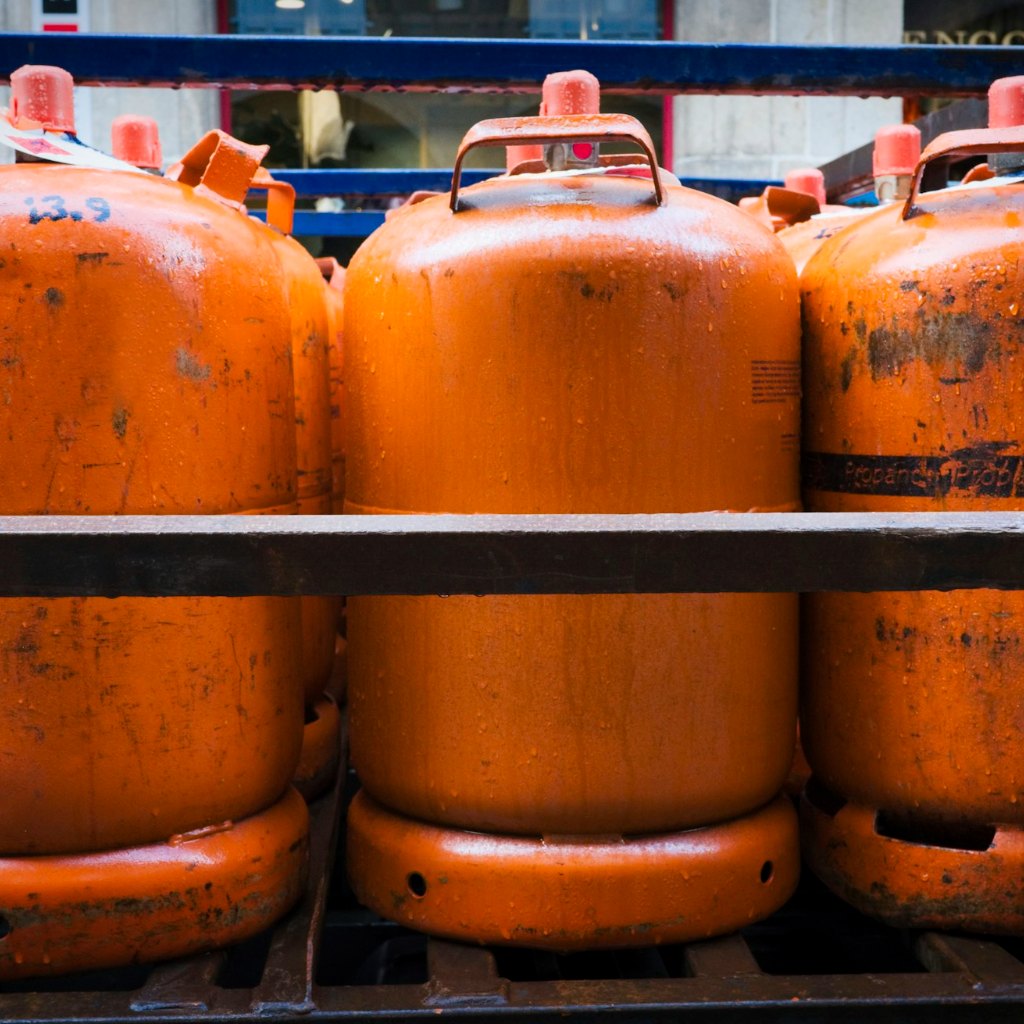
Nitrogen is odorless and colorless. In an enclosed space, a leak can push out the oxygen workers need to breathe, often with no warning. That is why hazard assessments, training, gas monitoring and ventilation matter wherever pressurized gases are used, including food processing, cold storage and manufacturing.
California requires every employer to maintain an Injury and Illness Prevention Program (IIPP). It must include hazard inspections, prompt correction of unsafe conditions, training when new hazards appear, and a way for workers to report hazards without fear of reprisal. You and your representative can ask for a copy. See the IIPP regulation and our guide to chemical and toxic exposure at work.
Your right to report and refuse unsafe work
- Complain: You can file a Cal/OSHA complaint at any time, and your name is kept confidential unless you ask otherwise.
- No retaliation: Your employer cannot fire or punish you for safety complaints (Labor Code §6310). File a retaliation complaint with the Labor Commissioner within one year.
- Refuse: You may refuse work that would violate a safety standard where the violation creates a real and apparent hazard (Labor Code §6311).
- Reporting: Employers must report a serious injury or death to Cal/OSHA within 8 hours of learning of it. See our post on Cal/OSHA inspections after injuries.
These rights apply regardless of immigration status. More on whistleblower retaliation.
Example (hypothetical): Ana works in a cold-storage room and notices a hissing line and a gas alarm that never seems to work. She tells her supervisor in writing and files a Cal/OSHA complaint. If she is written up days later, the timing may support a retaliation claim.
When a worker dies: rights of the family
Workers’ comp provides death benefits to dependents. For a death from an injury on or after January 1, 2006, the benefit is $250,000 for one total dependent, $290,000 for two and $320,000 for three or more (Labor Code §4702), plus burial expenses up to $10,000 (§4701). A death claim generally must be filed within one year of the death (§5406).
If the death was caused by the employer’s serious and willful misconduct, compensation may be increased by one-half (§4553). Workers’ comp is usually the exclusive remedy against the employer, with limited exceptions (§3602), but families may also have claims against other parties, such as an equipment maker or contractor (§3852). See our guide to workers’ comp death claims.
Frequently asked questions
Can I be fired for refusing unsafe work?
Not if the work would violate a safety standard and create a real and apparent hazard. Document what you saw and who you told.
Does Cal/OSHA tell my employer who complained?
No. Complainant names are kept confidential unless you ask otherwise.
Who can claim death benefits?
Dependents, such as a spouse or children who relied on the worker’s income. The amount depends on how many dependents there are.
Does a criminal plea mean the family gets paid?
Not automatically. The criminal case is separate; families pursue workers’ comp death benefits and any civil claims on their own track.
Talk to a California workers’ comp lawyer
Employees First Labor Law represents workers exclusively. If you were hurt by an unsafe condition, or lost a loved one at work, we offer free virtual consultations. Contact us or call (310) 853-3461.
This article is general information about California law as of 2026, not legal advice for your situation. Reading it does not create an attorney-client relationship.
